Plumbing is one of the most vital systems in any home, silently supporting daily comfort and functionality. From showers to kitchen sinks, water heaters to toilets, plumbing plays an invisible but indispensable role in our lives. Yet, despite its importance, many homeowners only notice plumbing when something goes wrong. During home maintenance or renovation projects, plumbing often surfaces as a top priority—sometimes for necessary upgrades, and other times due to long-standing issues finally being addressed. Understanding common plumbing fixes can help homeowners tackle problems early, avoid costly damage, and keep their home running smoothly.
Leaky Faucets and Fixtures
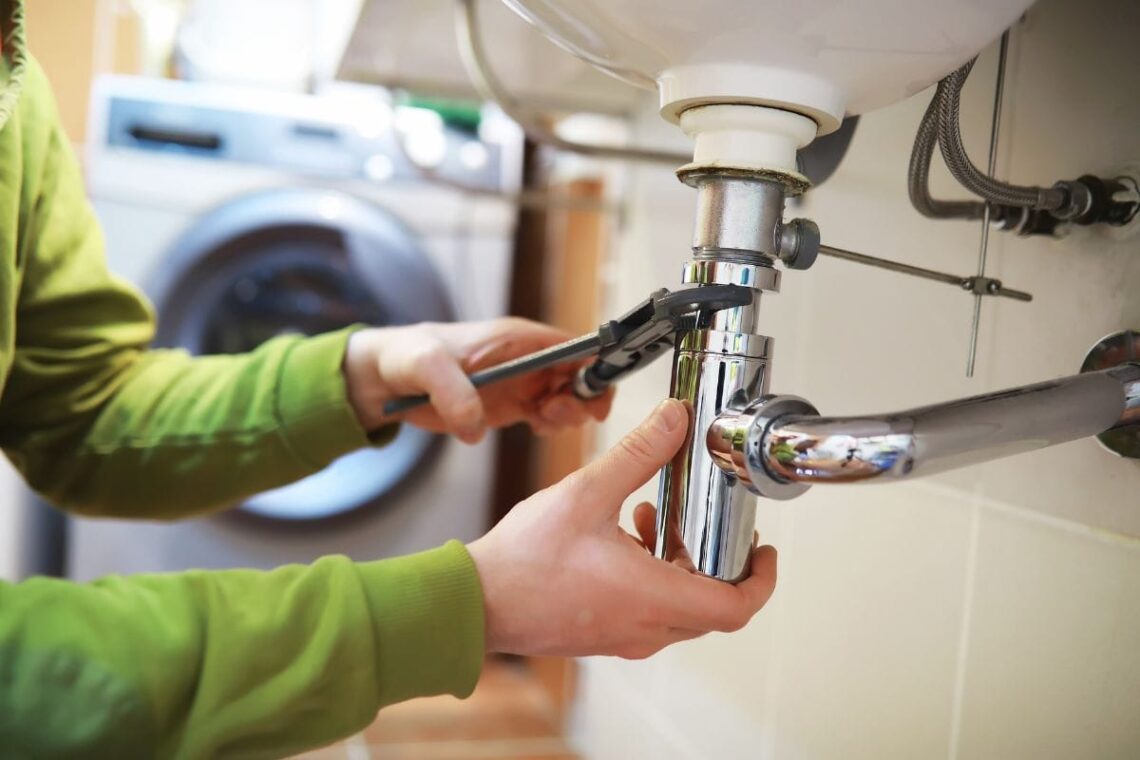
One of the most common plumbing issues homeowners face is a leaky faucet. It may seem like a small inconvenience, but over time, even a minor drip can waste gallons of water and inflate your utility bills. Most leaky faucets stem from worn-out washers or seals, which can usually be replaced without major intervention. In some cases, sediment buildup from hard water or corroded valve seats could be the culprit. During renovations, especially in kitchens and bathrooms, replacing old faucets with modern, water-efficient fixtures is a wise choice—not just for aesthetics, but also for preventing future leaks and conserving water.
Clogged Drains and Pipes
Clogged drains are another frequent problem, often caused by a buildup of soap scum, hair, grease, or foreign objects. In bathrooms, sinks and tubs often get blocked due to hair and product residue, while kitchen drains typically suffer from grease and food particles. Some clogs are easily remedied with a plunger or drain snake, but chronic blockages may indicate deeper issues, such as tree roots in outdoor pipes or collapsed sewer lines. Renovations present an ideal opportunity to inspect and replace old drain lines, install better filtration, or add cleanout points to make future maintenance easier.
Running Toilets
A toilet that won’t stop running is not only annoying but can also waste hundreds of gallons of water a day. Often, the problem lies with a faulty flapper valve or a poorly adjusted float. In some cases, the issue could be mineral buildup affecting the valve function. Homeowners can typically fix running toilets by replacing worn-out internal components, which are affordable and available at most hardware stores. If you’re renovating a bathroom, consider upgrading to a dual-flush or low-flow toilet. These not only resolve old inefficiencies but also help lower water usage over time.
Low Water Pressure
Low water pressure can make showers unsatisfying and everyday tasks frustrating. The issue might be isolated to one fixture, or it could affect the entire house. In some cases, it’s caused by simple blockages in aerators or showerheads, which can be unscrewed and cleaned. In older homes, however, low water pressure often points to corroded galvanized pipes. When tackling major renovations, especially in older properties, replacing old plumbing with copper or PEX piping can solve low-pressure issues while increasing reliability. During this process, it’s also smart to ensure that pressure regulators and shut-off valves are functioning correctly.
Water Heater Troubles
The water heater is a plumbing system workhorse, yet it often goes unnoticed—until it stops working. Common issues include insufficient hot water, odd noises, discolored water, or leaks. Sediment buildup is a leading cause of inefficiency, which can be resolved by flushing the tank. If your water heater is more than 10-15 years old, it might be time to replace it altogether. Tankless water heaters are gaining popularity during renovations for their energy efficiency and compact size. Whether sticking with a traditional tank or going tankless, proper sizing and professional installation are critical to ensuring long-term performance.

Pipe Leaks and Corrosion
Leaks in pipes, especially those hidden behind walls or beneath floors, can be destructive if not caught early. They lead to mold growth, warped wood, and foundation issues if left unchecked. Often, pipe leaks result from corrosion, freezing, or shifting foundations. If you’re remodeling, it’s wise to inspect the condition of visible pipes and consider replacing outdated materials like polybutylene or galvanized steel. PEX piping is a common modern choice due to its flexibility, resistance to corrosion, and ease of installation. Sealing gaps and insulating exposed pipes can also prevent future freezing-related issues.
Sump Pump Failures
In homes with basements or crawl spaces, sump pumps are essential for keeping water out. However, when they fail—due to electrical issues, float switch malfunctions, or clogs—the consequences can be severe. Homeowners should test their sump pump periodically and clean it out at least once a year. If your home renovation involves a finished basement or added square footage, make sure your sump pump is up to the task. You might even consider installing a battery backup system to keep it running during power outages.
Garbage Disposal Problems
A jammed or smelly garbage disposal is a common kitchen complaint. Most problems arise from improper use—like grinding bones, fibrous vegetables, or non-food items. Resetting the unit, clearing clogs with a hex wrench, or manually removing stuck debris can resolve many issues. During kitchen renovations, homeowners often opt to upgrade their disposal units to models with better grinding power and quieter operation. Installation of air switch controls and integrated sink flanges can also improve safety and usability.
Noisy Pipes
Rattling, banging, or whistling sounds in the pipes—often called “water hammer”—can be startling and may signal a problem. These noises often occur when water flow is abruptly stopped and pressure has nowhere to go. While it might not seem serious, water hammer can damage valves and joints over time. The fix may involve installing a water hammer arrestor or adjusting your home’s pressure regulator. Renovation projects that require plumbing system changes are a great time to address these acoustic annoyances and install pressure-balancing devices to prevent future issues.
Ventilation and Trap Issues
Poorly vented plumbing systems can lead to gurgling drains, foul odors, and slow drainage. Every drain in your home is supposed to connect to a vent pipe that allows sewer gases to escape and prevents vacuum pressure from slowing water flow. If your bathroom or kitchen was poorly designed or modified in the past, it’s possible these venting rules were overlooked. Renovation projects offer a rare opportunity to correct these oversights. Adding air admittance valves or connecting fixtures to properly vented stacks can improve both performance and safety.

Backflow and Cross-Connection Prevention
Cross-connections between drinking water and waste water pose serious health risks. Backflow can occur due to sudden pressure changes, drawing contaminated water into your clean supply. Fixing this may involve installing backflow prevention devices or air gaps—especially in homes with irrigation systems, boilers, or pools. Local plumbing codes often require these devices, and renovations provide the perfect time to ensure compliance. A licensed plumber can evaluate your system and suggest preventive measures that bring your plumbing up to current standards.
Upgrading Outdated Plumbing Systems
In older homes, plumbing systems may have been pieced together over decades. Renovation projects are an ideal time to upgrade plumbing comprehensively, replacing deteriorating materials and simplifying layouts. Transitioning from galvanized steel to copper or PEX piping improves water quality and reliability. Likewise, integrating modern shut-off valves, pressure regulators, and smart leak detectors can future-proof your plumbing. It may seem costly up front, but such upgrades can prevent expensive emergencies and raise your home’s value.
Staying Ahead with Smart Maintenance
Plumbing fixes range from the simple to the complex, but they all share one thing in common—they’re easier to manage with early detection and smart planning. Routine home maintenance, such as checking for leaks, testing water pressure, and flushing your water heater, can help you avoid bigger problems down the line. During renovations, taking the time to upgrade plumbing components ensures you’re building on a solid foundation. Whether it’s a dripping faucet or a full system overhaul, addressing plumbing needs proactively enhances comfort, saves money, and contributes to the long-term health of your home.