Flooring is one of the most significant features in any home. It plays a vital role in the aesthetic appeal, functionality, and overall value of your space. When it comes to home maintenance and renovations, choosing the right flooring can have a lasting impact on both your lifestyle and your property’s resale value. Whether you’re updating a single room or embarking on a full-scale renovation, the flooring you select must align with your needs, budget, and vision.
In this blog post, we’ll explore the key considerations when choosing flooring for home maintenance and renovation projects, delve into the pros and cons of various materials, and help guide you toward a choice that makes sense for your home and lifestyle.
Understanding Your Needs Before Choosing Flooring
Before diving into specific flooring types, take a moment to evaluate your home and lifestyle. Not all flooring options are created equal, and what works in one home might not suit another.
Start by thinking about which rooms are being renovated. Is it a high-traffic area like the kitchen, hallway, or living room? Or are you updating a quiet space like a guest bedroom or home office? The level of foot traffic a floor endures plays a big role in how durable your flooring needs to be.
Also, consider whether you have kids or pets. Both can be tough on floors, so you’ll want something scratch-resistant, water-resistant, and easy to clean. If allergies are a concern, flooring that doesn’t trap dust or allergens—like hardwood or tile—may be the best choice.
Finally, think about moisture levels. Spaces like bathrooms, basements, or laundry rooms are prone to dampness, so they require materials that resist water damage and mold.
Hardwood Flooring: Timeless Beauty with Long-Term Value
Hardwood flooring is a classic choice for homeowners who want a combination of warmth, natural beauty, and durability. It works well in living rooms, dining areas, hallways, and bedrooms. Real hardwood flooring adds long-term value to a home, and it can be sanded and refinished multiple times, making it ideal for long-term use.
However, hardwood is sensitive to moisture. It’s not suitable for bathrooms or basements unless specifically engineered to handle some humidity. It also tends to be more expensive than many other flooring options, both in material and installation costs. That said, if your budget allows and you’re focused on long-term investment, hardwood flooring is one of the most attractive options on the market.
Laminate Flooring: Affordable and Durable
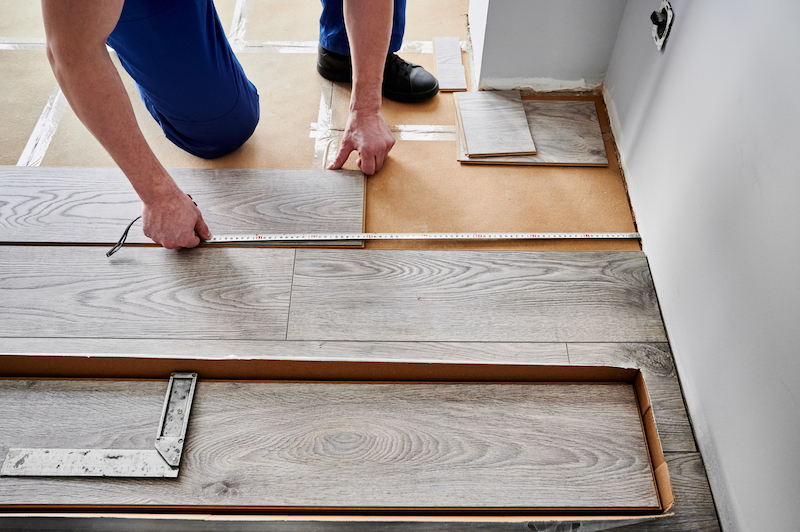
Laminate flooring has come a long way in recent years. Modern laminates are designed to mimic the look of hardwood, stone, or even tile at a fraction of the cost. It’s a popular choice for those undergoing budget-friendly renovations, especially in high-traffic areas or rental properties.
Laminate is known for being resistant to scratches and fading. It’s also relatively easy to install, often featuring a click-and-lock system that makes DIY installation possible. However, it can be susceptible to water damage, particularly if water seeps into the seams. Some newer options offer water-resistant or waterproof capabilities, making them more suitable for kitchens and entryways.
Vinyl Flooring: Versatile and Water-Resistant
Vinyl flooring has emerged as a favorite for homeowners seeking stylish, resilient, and low-maintenance options. Available in sheets, tiles, or luxury vinyl planks (LVP), this flooring type is particularly well-suited for kitchens, bathrooms, and basements thanks to its water resistance.
Luxury vinyl planks, in particular, offer the look of hardwood with the practicality of synthetic material. They’re soft underfoot, easy to clean, and durable enough to withstand heavy use, spills, and moisture. Installation is typically straightforward, especially with peel-and-stick or click-lock versions. Vinyl flooring also absorbs sound better than tile or wood, making it a great choice for apartments or multi-level homes.
Tile Flooring: Ideal for Moisture-Prone Areas
If your renovation includes bathrooms, kitchens, or laundry rooms, tile flooring is an excellent candidate. Ceramic and porcelain tiles are both waterproof and resistant to stains, making them perfect for areas that see frequent spills or splashes.
Tile flooring is also available in a vast range of designs, from minimalist neutrals to bold patterns, allowing for a high degree of customization. Porcelain is denser and more durable than ceramic, making it the preferred option for floors that endure heavy foot traffic.
However, tile can feel cold and hard underfoot, and the grout lines require regular maintenance to avoid staining or mildew buildup. Still, for areas where water resistance is non-negotiable, tile is hard to beat.
Engineered Wood: The Best of Both Worlds
Engineered wood flooring combines the aesthetic appeal of hardwood with greater resistance to moisture and temperature changes. It’s made with a top layer of real hardwood bonded to multiple layers of plywood or high-density fiberboard, which helps prevent warping.
This flooring type is ideal for homeowners who love the look of wood but need something a bit more stable for areas like basements or bathrooms. It’s typically more affordable than solid hardwood and easier to install. While it can be sanded, it generally has a thinner top layer than hardwood, meaning refinishing it more than once might not be possible.
Carpet: Comfort and Warmth for Specific Spaces
Though less popular in recent years, carpet still has a place in home renovations—particularly in bedrooms, playrooms, and other low-moisture areas. It offers unmatched softness and warmth underfoot, which can be especially welcome in colder climates.
Carpet also helps reduce noise, making it a smart choice for upper levels or rooms where acoustics matter. However, it’s less durable than other flooring types and can trap allergens, dirt, and pet hair. Regular vacuuming and occasional professional cleaning are necessary to keep it looking fresh.
If comfort is your top priority and you’re renovating a room where moisture isn’t an issue, carpet can still be a great choice.
Budget Considerations in Flooring Renovations
One of the most important aspects of choosing the right flooring is setting a realistic budget. Costs vary significantly between materials, and it’s essential to factor in installation, underlayment, adhesives, trims, and any removal of existing flooring.
Hardwood and tile tend to be on the higher end of the price spectrum, while laminate and vinyl offer more budget-friendly alternatives without sacrificing aesthetics. Remember that quality matters—opting for the cheapest material might save money upfront but cost more in the long run due to wear, damage, or premature replacement.
In some cases, mixing flooring types throughout the home can help balance cost and functionality. For example, use tile in bathrooms, laminate in hallways, and carpet in bedrooms.
Maintenance Requirements
Maintenance is often overlooked when choosing flooring, but it has a big impact on long-term satisfaction. Hardwood requires periodic refinishing and care to avoid scratches. Tile grout must be cleaned and sealed. Carpet demands frequent vacuuming. Laminate and vinyl are easier to maintain, requiring only routine sweeping and occasional mopping.
Think honestly about how much time and effort you’re willing to invest in maintaining your floors. If you prefer a low-maintenance lifestyle, vinyl, laminate, or tile may be more appropriate than wood or carpet.

The Role of Design and Style
Flooring isn’t just functional—it’s also one of the most visually dominant elements in a room. The color, pattern, and texture of your flooring influence the mood and perception of space. Light-colored floors can make a room feel more spacious, while darker tones add warmth and intimacy.
If you’re aiming for a cohesive interior design, consider how the flooring will complement your walls, furniture, cabinetry, and other elements. Neutral tones are generally safer for resale value, while bold colors and patterns may be best reserved for personal projects where resale isn’t a concern.
Making the Right Choice for Your Home
Choosing the right flooring for home maintenance and renovations is a balance of practicality, aesthetics, and budget. No single flooring type is perfect for every room or every homeowner. The best choice is one that reflects how you live, the unique needs of your household, and your long-term plans for the property.
Consider durability, maintenance, moisture resistance, comfort, and style before committing to a decision. Don’t hesitate to ask flooring professionals for samples or advice tailored to your specific renovation goals.
Your floors lay the groundwork—literally—for everything else in your home. With thoughtful planning and a clear understanding of your options, you can choose flooring that enhances your home for years to come.