Your home’s roof and gutters are the first lines of defense against rain, snow, wind, and other elements. When these systems are working properly, they protect your home’s structure, foundation, and interior from water damage and costly repairs. Yet, many homeowners overlook routine maintenance until a leak, clog, or visible deterioration appears. Maintaining your roof and gutters doesn’t just prevent damage—it extends the lifespan of your home and preserves its value. Here’s everything you need to know about roofing and gutter maintenance as a homeowner.
Why Roofing and Gutter Maintenance Matters
Ignoring roof and gutter maintenance can lead to a cascade of problems. A small leak in the roof may not seem like a big deal, but over time, moisture can seep into the attic, insulation, and walls. This creates a breeding ground for mold and weakens the integrity of your home’s structure. Similarly, clogged gutters can overflow and push water into the foundation, causing cracks, basement flooding, or soil erosion. These issues are not only expensive to repair but can also compromise your home’s safety.
Routine upkeep helps detect minor issues before they escalate, potentially saving thousands of dollars in repairs. It also enhances your home’s energy efficiency, improves curb appeal, and ensures your property remains structurally sound.
Regular Roof Inspections Are a Must
One of the most important things you can do for your roof is to inspect it at least twice a year—typically in the spring and fall. You should also inspect it after a major storm. Look for common signs of damage, such as missing or curling shingles, cracked flashing, moss or algae buildup, or sagging areas. Inside your attic, check for water stains, damp insulation, or light peeking through the roof boards.
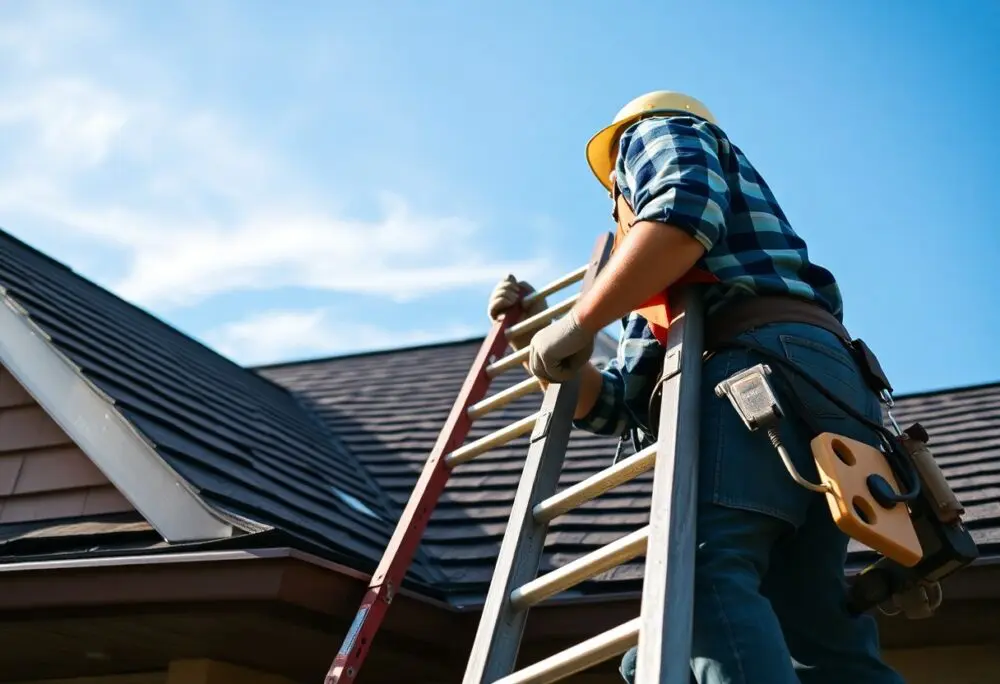
While some issues are visible from the ground, others may require climbing a ladder or hiring a professional roofer. If you’re uncomfortable inspecting the roof yourself, it’s worth bringing in an expert. They can safely assess the condition of your roofing materials, recommend preventative repairs, and give you a better idea of how much life your roof has left.
Keep an Eye on Roofing Materials
Different roofing materials come with unique lifespans and maintenance needs. Asphalt shingles, one of the most common roofing materials, usually last between 15 and 30 years. Metal roofs can last 40 to 70 years, while clay tiles may endure for over 50 years. Regardless of the material, exposure to sun, wind, rain, and snow will cause wear over time.
Check for signs of deterioration, including discoloration, loose granules in gutters (from asphalt shingles), rusting on metal surfaces, and cracked or broken tiles. These symptoms often point to aging materials or weather-related damage. Timely repair or replacement of individual components helps extend the life of your roof and prevents leaks from spreading.
Roof Cleaning: More Than Just Appearance
Many homeowners don’t realize the importance of roof cleaning. Over time, moss, algae, leaves, and debris can accumulate on your roof. Not only do these materials look unattractive, but they also retain moisture, which accelerates the breakdown of roofing materials.
Using a gentle pressure washer or a soft-bristle broom, you can clean your roof carefully to remove debris. Be cautious with pressure washing, as too much force can strip granules from shingles or damage weaker materials. In areas with high humidity, applying a moss and algae-resistant treatment can prevent regrowth.
Avoid using harsh chemicals or DIY treatments unless you’re sure they are safe for your specific roofing material. When in doubt, professional roof cleaning services are a reliable option that ensures proper techniques and protects the integrity of your roof.
Gutter Maintenance: Don’t Underestimate Its Role
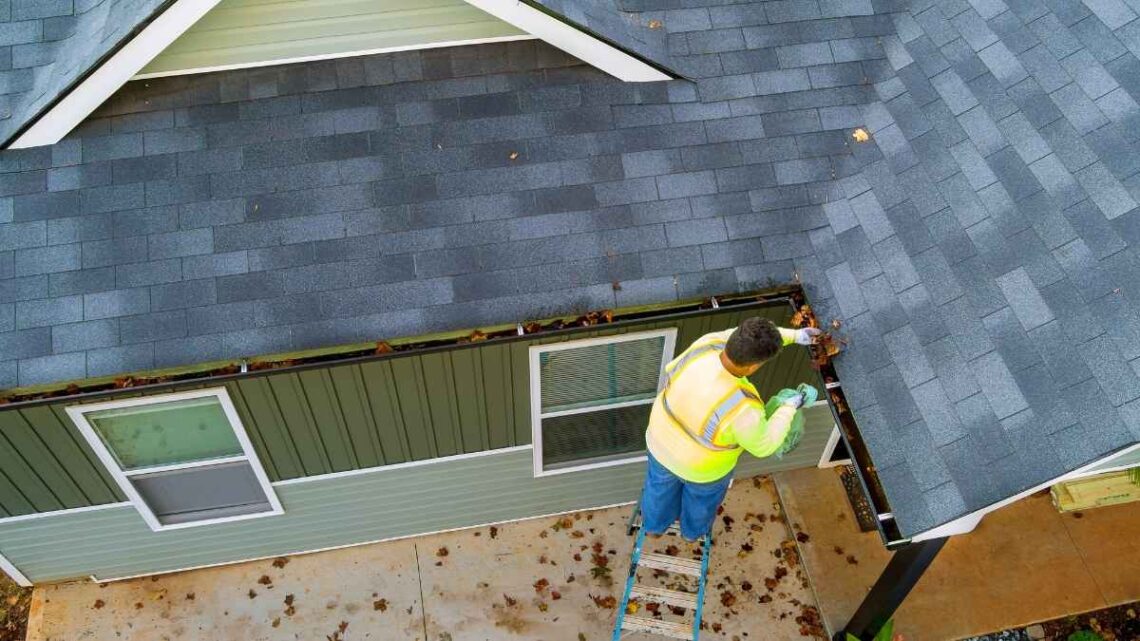
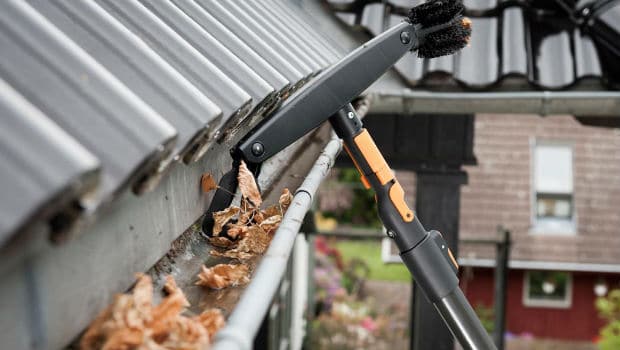
Your gutter system channels water away from your home’s roof, siding, and foundation. When gutters are clogged with leaves, twigs, or nests, water backs up and spills over the edge, potentially causing significant water damage. That’s why gutter cleaning is essential at least twice a year—again, typically in spring and fall.
While cleaning gutters may seem like a tedious task, it can be accomplished with basic tools like a ladder, garden hose, gloves, and a gutter scoop. Make sure all downspouts are clear and allow water to flow freely. After cleaning, flush the system with water to check for leaks or blockages. If water isn’t draining correctly, you may need to adjust the slope or repair sections that have pulled away from the roof.
Preventative Measures: Gutter Guards and Screens
To minimize how often you need to clean your gutters, consider installing gutter guards, screens, or covers. These devices are designed to prevent large debris from entering the gutter system while still allowing water to pass through. They don’t eliminate the need for cleaning entirely, but they can significantly reduce the frequency.
Choose guards that match the style and slope of your roof, and ensure they are securely installed. Some guards are more effective in certain environments—like mesh screens for leafy areas or foam inserts for dry, dusty regions. Professional installation often ensures better performance and reduces the risk of damaging the gutter structure.
Know When to Repair or Replace Gutters
Just like your roof, gutters won’t last forever. Most systems last around 20 years with proper care, but over time, they can become bent, rusted, or detached. Look for signs such as sagging, persistent leaks, rust stains, or peeling paint on siding near the gutters. These often indicate your gutters aren’t doing their job properly.
Small holes or cracks can be sealed with gutter sealant or patching kits. However, if you’re dealing with widespread issues, misaligned sections, or outdated materials, replacement might be the smarter choice. Seamless aluminum or vinyl gutters are popular choices for their low maintenance needs and long-lasting performance.
Seasonal Considerations for Roof and Gutter Maintenance
Each season brings its own challenges when it comes to roofing and gutter upkeep. In the fall, leaves and debris pile up quickly, requiring more frequent cleaning. Winter introduces the risk of ice dams—where snow melts on the roof and refreezes in the gutters, blocking water flow and causing backups that damage shingles and insulation.
To avoid ice dams, make sure your attic is properly insulated and ventilated. This helps maintain an even roof temperature, preventing snow from melting unevenly. You may also consider installing heating cables along the roof’s edge to keep gutters clear in colder climates.
Spring is the perfect time to inspect for any damage left by winter storms and prepare your home for heavy rains. Meanwhile, summer’s heat can weaken roofing materials, especially in hotter climates, so it’s important to check for signs of cracking or blistering.
Safety First: When to Call in the Pros
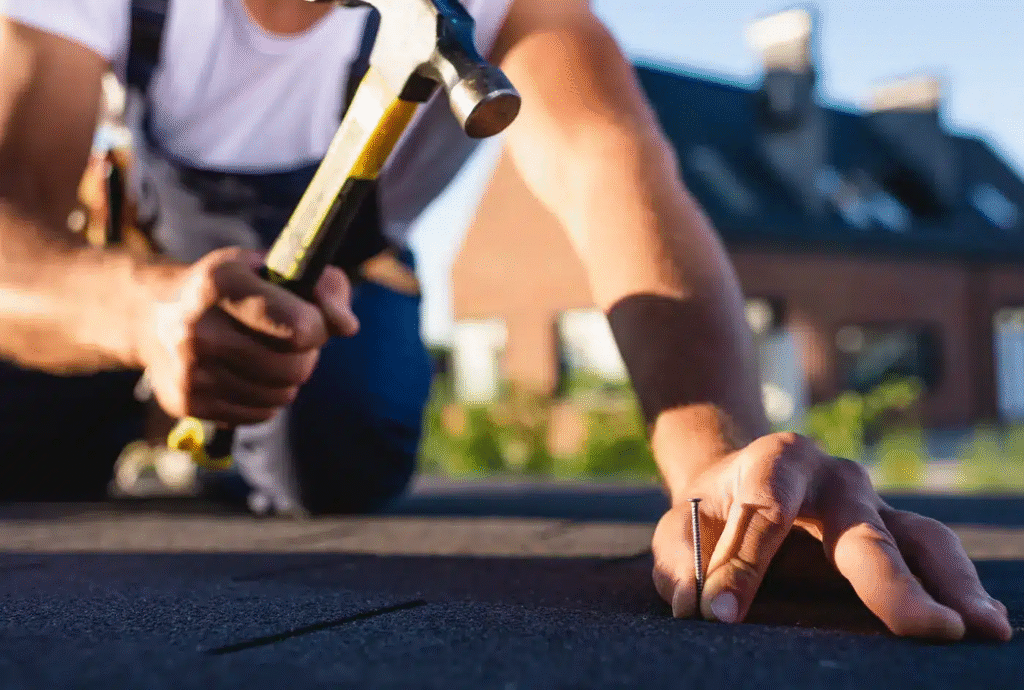
Roof and gutter maintenance can involve working at heights, using ladders, and handling tools that pose safety risks. If you’re ever unsure of your footing, uncomfortable with heights, or dealing with extensive repairs, it’s better to hire a professional. Certified roofing and gutter contractors have the tools, training, and insurance necessary to perform inspections and repairs safely and correctly.
Additionally, a professional inspection can uncover issues you may miss, such as hidden leaks, structural damage, or improperly installed materials. Many companies offer annual maintenance packages that include cleaning, inspections, and minor repairs, saving you time and worry in the long run.
Long-Term Benefits of Regular Maintenance
Maintaining your roof and gutters isn’t just about avoiding damage—it’s about protecting your investment. A well-kept roof can boost your home’s energy efficiency by improving insulation and reducing heat loss. Clean gutters prevent landscaping erosion and foundation damage. Together, they enhance your home’s appearance and increase its market value.
When you make roof and gutter care a regular part of your home maintenance routine, you’re not only safeguarding your home’s integrity but also contributing to its long-term comfort and safety. Whether you’re planning to live in your home for decades or preparing it for resale, these areas deserve consistent attention.
Stay Proactive to Stay Protected
Roofing and gutter maintenance should never be treated as an afterthought. These systems quietly protect your home every day, but when neglected, they can cause significant issues that impact your comfort, budget, and property value. By staying proactive with inspections, cleaning, repairs, and preventative measures, homeowners can avoid unnecessary stress and costly renovations.
Taking time each season to care for your roof and gutters ensures peace of mind, knowing that your home is well-protected from whatever the weather brings. In the end, a little maintenance now can save a lot of trouble—and money—down the road.