Indoor air quality plays a crucial role in our health and overall well-being. While we often associate clean air with outdoor environments, the air inside our homes can be even more polluted due to dust, mold, chemicals, and poor ventilation. Many homeowners overlook this critical aspect of living conditions, but with the right maintenance and renovation strategies, your home can become a cleaner, healthier space. This blog post will explore how targeted home maintenance and renovations can significantly improve air quality, leading to better respiratory health, reduced allergies, and a more comfortable living environment.
Understanding Indoor Air Quality
Before diving into renovations and maintenance strategies, it’s essential to understand what affects indoor air quality. Common pollutants include pet dander, dust mites, mold spores, pollen, volatile organic compounds (VOCs) from paint or furniture, and combustion pollutants from stoves and fireplaces. High humidity, poor ventilation, and outdated systems can make these issues worse. Improving air quality is not just about adding air purifiers or opening a window—it involves intentional, often structural changes to your home.
HVAC System Upgrades
Your heating, ventilation, and air conditioning (HVAC) system is one of the most significant contributors to air quality. If your system is old or poorly maintained, it may circulate dust, pollen, and even mold spores throughout your home. Start by scheduling a professional inspection of your HVAC unit. Routine maintenance—such as replacing filters every 1–3 months and cleaning out ducts—can drastically reduce airborne particles.
For those with older systems, consider upgrading to a high-efficiency HVAC model with built-in air purification. Modern units often come with HEPA filters or UV light features that eliminate bacteria, viruses, and allergens. Zoned systems can also help reduce air circulation in unused areas, limiting the spread of pollutants.
Sealing and Insulating the Home
A properly sealed and insulated home is essential for controlling air flow and preventing the intrusion of outdoor pollutants. Cracks in walls, windows, doors, or ceilings can allow dirty air, pests, and moisture to enter. Renovating your home to include upgraded insulation and weather stripping around windows and doors can keep pollutants out while maintaining consistent indoor air temperatures.
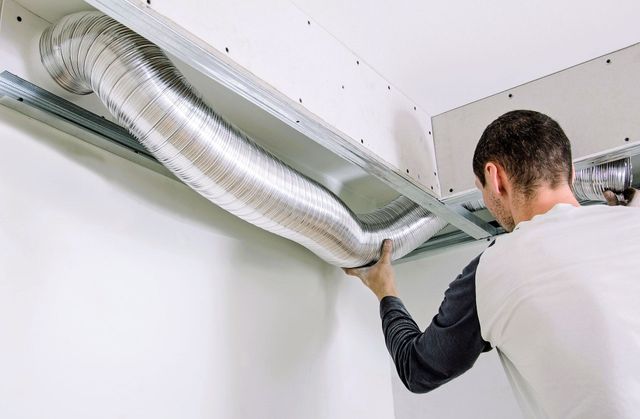
Additionally, sealing ductwork can prevent dust and contaminants from circulating through your heating and cooling system. Many homeowners are surprised at how much unfiltered air leaks into living spaces due to damaged or disconnected ducts.
Switching to Low-VOC Materials
Many building materials, paints, adhesives, and furnishings emit VOCs, which are chemicals that evaporate into the air and contribute to indoor pollution. These compounds can trigger headaches, nausea, eye irritation, and respiratory issues.
When renovating, opt for low-VOC or zero-VOC options. Many manufacturers now offer eco-friendly paints, stains, and sealants that release fewer toxins into the air. Similarly, choosing solid wood furniture or items made from natural fibers can help reduce the chemical load in your home. Flooring options like cork, bamboo, or low-VOC carpeting also support healthier air.
Ventilation Improvements
Proper ventilation ensures a constant flow of fresh air into your home, helping dilute indoor pollutants. Many older homes lack adequate ventilation systems, especially in kitchens, bathrooms, and attics. Renovating to include range hoods, bathroom exhaust fans, and attic vents can greatly enhance air circulation and reduce humidity—an important factor in preventing mold growth.
Whole-house ventilation systems, such as energy recovery ventilators (ERVs) or heat recovery ventilators (HRVs), provide balanced airflow while maintaining energy efficiency. These systems are especially useful in tightly sealed modern homes where natural ventilation is limited.
Installing Dehumidifiers and Humidifiers
Humidity levels play a significant role in indoor air quality. High humidity encourages the growth of mold, mildew, and dust mites, while air that is too dry can irritate the skin, eyes, and respiratory system. Renovating your HVAC system to include integrated dehumidifiers and humidifiers can help maintain optimal humidity levels—ideally between 30% and 50%.
In basements or crawl spaces, where moisture often accumulates, installing sump pumps, moisture barriers, or dedicated dehumidifiers can dramatically improve air quality and prevent structural damage caused by damp conditions.
Flooring Renovations
Carpets tend to trap dust, dander, and allergens, making them a poor choice for individuals with allergies or asthma. If you’re renovating, consider replacing carpet with hard surface flooring such as hardwood, tile, or luxury vinyl. These surfaces are easier to clean and do not harbor allergens as easily as carpets do.
If you do prefer carpets for comfort or aesthetic reasons, choose low-pile varieties made from natural materials and install them with non-toxic adhesives. Be diligent about vacuuming with HEPA-filter vacuums and professional cleaning to reduce buildup.
Mold Prevention and Remediation
One of the most harmful contributors to poor indoor air quality is mold. It thrives in damp, poorly ventilated areas like bathrooms, basements, and behind walls with plumbing issues. Renovating to prevent mold involves addressing the root cause—moisture.
This can mean replacing leaky pipes, adding waterproofing to foundations, and improving bathroom ventilation. If mold is already present, professional remediation is essential to safely remove it. Using mold-resistant drywall, paints, and materials in future renovations can also help prevent recurrence.
Smart Home Air Quality Monitoring
A growing trend in home renovations is the integration of smart technology to monitor and control indoor environments. Installing air quality monitors gives real-time feedback on pollutant levels, humidity, and temperature. These devices can be connected to HVAC systems or smart thermostats to automate adjustments and alerts.
Such tools are especially useful in households with young children, elderly residents, or individuals with respiratory conditions. They allow for proactive maintenance decisions before small issues become major problems.
Window and Skylight Upgrades
Natural ventilation and lighting are vital to healthier indoor spaces. Replacing older windows with energy-efficient, operable models allows for better airflow and control of indoor climates. Skylights can also enhance natural light, which indirectly boosts mood and discourages mold growth in dark, damp areas.
Additionally, consider window screens or filters that reduce pollen and dust infiltration, especially if you live in an area with seasonal allergens or heavy traffic pollution.
Green Spaces Inside and Outside
Incorporating plants into your indoor renovation projects not only enhances aesthetics but also contributes to air purification. Certain indoor plants, such as snake plants, spider plants, and peace lilies, can absorb pollutants and increase oxygen levels.
On the exterior, well-designed landscaping can help block dust and pollutants from reaching your home. Trees and shrubs planted strategically around windows and HVAC units act as natural filters, improving the air that enters your home from the outside.
Regular Cleaning and Maintenance Habits
While renovations go a long way, maintaining good air quality also depends on consistent upkeep. Regular dusting, vacuuming, and changing air filters ensures your home continues to support healthy living. When cleaning, avoid products with harsh chemicals and opt for non-toxic, eco-friendly solutions that won’t release harmful vapors.

Check filters on HVAC systems, dehumidifiers, and air purifiers at least once a month. Keep an eye on areas prone to leaks or moisture and address any signs of mold or damage immediately. Preventative maintenance is key to long-term air quality improvements.
Improving indoor air quality through home maintenance and renovations is not just a luxury—it’s a necessity for creating a safe and healthy environment. From upgrading HVAC systems and sealing leaks to choosing low-VOC materials and managing humidity, there are numerous strategies homeowners can adopt. The goal is not only to make the home more comfortable but also to ensure it promotes wellness for everyone who lives there. With thoughtful planning and a focus on clean, sustainable choices, your next renovation could be the breath of fresh air your home truly needs.