The basement is one of the most underutilized and often overlooked areas in a home, yet it holds immense potential. Whether it serves as a storage space, laundry area, entertainment zone, or a finished living area, the basement requires specific maintenance and renovation efforts due to its unique positioning in the home. Being below ground level, basements are particularly vulnerable to moisture, temperature variations, and structural concerns. If you’re a homeowner looking to keep your basement in excellent condition or considering a renovation, understanding key maintenance and improvement strategies can help you make the most of this valuable space.
Understanding Basement Moisture Issues
One of the most common problems homeowners face with basements is excess moisture. Because basements are located below grade, they are naturally more susceptible to water seepage and humidity, which can lead to mold, mildew, and structural damage if not addressed promptly.
The first step in basement maintenance is inspecting for water entry. Look for signs of water stains on walls, bubbling paint, musty odors, or efflorescence — a white powdery substance that appears when water seeps through concrete or brick and evaporates, leaving mineral deposits behind. These signs indicate a moisture issue that should be addressed before moving forward with any renovation work.
Grading the exterior soil away from the home, ensuring your gutters and downspouts are clear and properly directing water away from the foundation, and sealing any cracks in your foundation walls are essential preventive measures. A sump pump, along with a battery backup, can be a wise investment in areas prone to flooding. Installing a dehumidifier also helps maintain appropriate humidity levels and keeps the air dry and safe.
Waterproofing Before Finishing
If you’re planning to finish your basement, waterproofing is not optional — it’s essential. Interior waterproofing involves applying sealants to walls and floors, while exterior waterproofing can include excavation, membrane installation, and a drainage system. Although exterior waterproofing is more expensive and invasive, it’s also more effective at preventing water intrusion.
Check that all basement windows are properly sealed and replace any that are outdated or leaking. Window wells with covers can also help reduce the chances of water getting in during heavy rains. A professional waterproofing contractor can assess your basement’s specific needs and recommend a comprehensive solution before you invest in drywall, flooring, or furnishings.

Addressing Structural Concerns
Basements are part of the foundation of your home, which means structural integrity is paramount. If you see horizontal cracks in the walls, bowing or shifting walls, or if your basement floor seems uneven or cracked, it could signal foundation movement. These problems need to be evaluated by a structural engineer or foundation specialist. Addressing structural issues early can prevent costly repairs down the road and ensure the safety of your home.
For homes with older foundations, regular inspections can help catch issues before they escalate. If renovation is part of your plan, addressing structural concerns during the remodel is the ideal time to reinforce the foundation with modern materials or systems.
Insulating the Basement Properly
A properly insulated basement contributes to the overall energy efficiency of the home. Uninsulated or poorly insulated basement walls and ceilings can make the entire house harder to heat or cool, leading to higher utility bills.
Rigid foam insulation is a popular choice for basement walls due to its moisture resistance and ability to insulate without compromising space. Spray foam is another efficient option that fills gaps and seals cracks. Avoid using fiberglass insulation directly against concrete walls, as it can trap moisture and lead to mold growth.
Don’t overlook the importance of insulating rim joists — these are common points of air leakage and heat loss in basements. Air sealing these areas with spray foam insulation can help maintain a consistent indoor temperature.
Choosing the Right Flooring for the Basement
Basement flooring requires special consideration because of its contact with the ground and potential for moisture. While it may be tempting to install traditional hardwood floors for aesthetic appeal, it’s generally not recommended unless you’ve taken extensive waterproofing measures.
Instead, opt for moisture-resistant flooring like vinyl plank, ceramic tile, or sealed concrete. Engineered wood can be a suitable alternative if you want a wood look with better moisture tolerance. Add an appropriate subfloor system that allows air circulation beneath the flooring to prevent mold and mildew buildup.
If warmth and comfort are priorities, area rugs or carpet tiles designed for below-grade installation can help make the space feel cozy without sacrificing safety or durability.
Lighting and Ventilation Improvements
Basements often suffer from low light and poor ventilation, which can make them feel dark and closed off. Good lighting design can completely change the feel of the basement and make it a more livable, inviting space.
Maximize any natural light by cleaning window wells and installing larger egress windows if the renovation includes sleeping areas. Egress windows not only increase natural light but are also a legal requirement for bedrooms in most building codes.
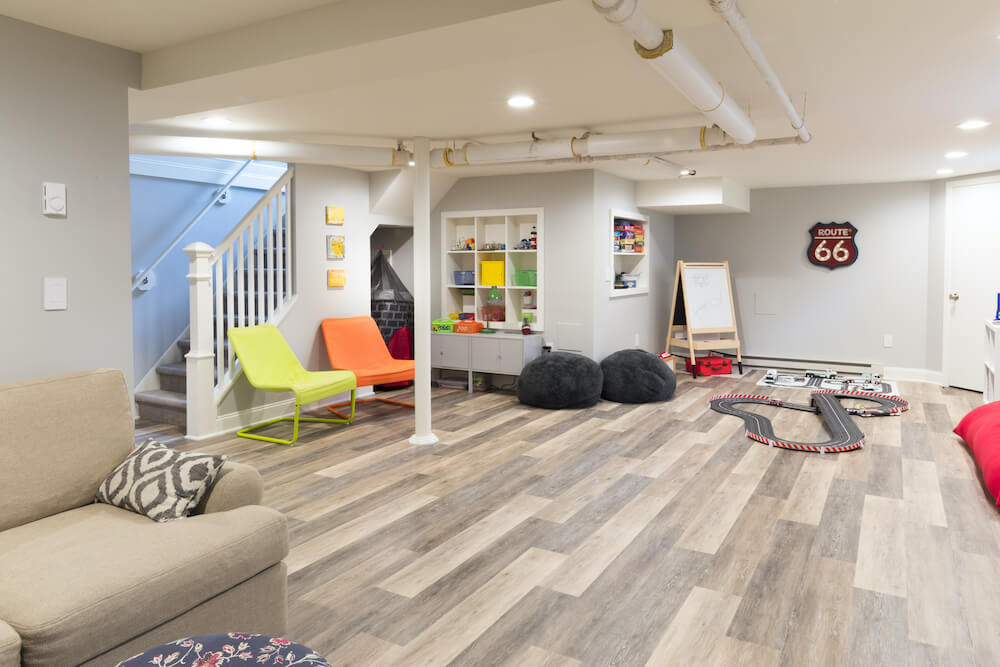
For artificial lighting, recessed LED lights work well in basements since ceilings are typically lower. Choose bright, daylight bulbs to make the space feel more open. Wall sconces or floor lamps can add layers of lighting that make the area feel cozy and functional.
Proper ventilation is also essential for air quality. If your basement has no HVAC vents, consider extending your home’s system into the space. Alternatively, install a standalone unit or air exchanger to help circulate air and remove excess humidity.
Planning Basement Layout and Use
Before diving into a renovation, consider how you want to use the basement. Do you envision a home office, gym, entertainment area, guest suite, or playroom? Your layout should reflect your lifestyle needs while complying with local building codes.
An open concept layout works well for multifunctional basements, while dividing the space with walls or partitions can offer privacy for bedrooms or offices. Soundproofing between the basement ceiling and the main floor can improve comfort for everyone in the home.
Storage is another critical component. Built-in shelves, under-stair storage, or dedicated closets can keep clutter to a minimum and maintain a clean, functional environment.
Heating and Cooling Considerations
Temperature regulation is an essential component of a comfortable basement. These areas tend to be cooler than the rest of the house, particularly in winter. If your HVAC system doesn’t effectively heat or cool the basement, consider adding baseboard heaters, radiant floor heating, or a ductless mini-split system.
Zoned heating and cooling allow you to control the basement temperature independently of the rest of the house, making it energy efficient and comfortable year-round. During renovation, it’s the perfect time to insulate ducts or install new systems that work better for the layout and usage of the basement.
Maintaining Your Basement After Renovation
After your renovation is complete, regular maintenance will protect your investment. Keep an eye on humidity levels and continue to use a dehumidifier if needed. Periodically inspect for signs of moisture or pest infestation. Clean your sump pump annually to ensure it’s working correctly. Vacuum HVAC vents and check insulation integrity.
If your basement includes bathrooms or a laundry area, keep plumbing fixtures in good working order and watch for signs of leaks. Staying proactive with small repairs will prevent major problems later and help your basement remain a functional, enjoyable part of your home.
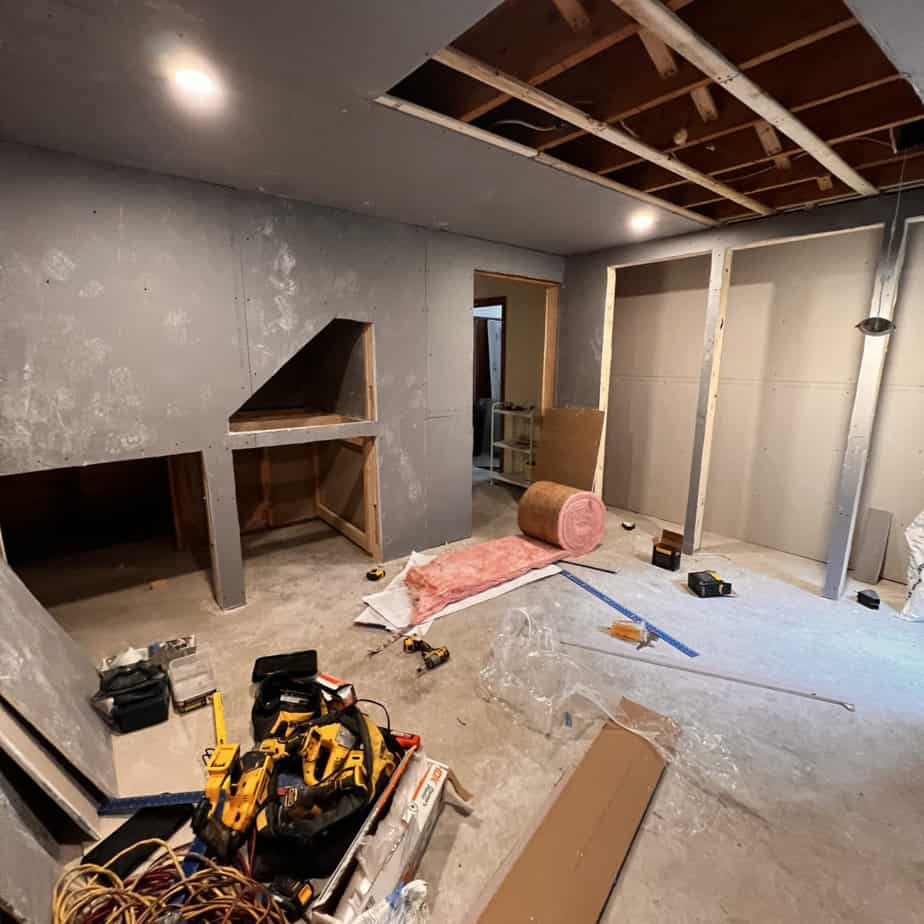
Basement home maintenance and renovations require a different approach compared to above-ground spaces, but with careful planning and consistent upkeep, your basement can become one of the most valuable and comfortable parts of your home. Addressing moisture control, proper insulation, smart lighting, and efficient use of space are all key components to success. Whether you’re preserving a storage area or transforming it into a finished retreat, these tips will help ensure your basement is not only livable but built to last.