Fire safety should never be an afterthought in the home renovation process. Whether you’re upgrading an old house or building from scratch, incorporating fire safety features is essential to protect your property and loved ones. Home maintenance and renovations offer a unique opportunity to assess fire risks and implement meaningful changes that may not be practical once a home is fully furnished or occupied. By upgrading fire safety systems during renovations, you can enhance overall safety, meet local codes, reduce insurance costs, and ensure peace of mind.
Understanding the Importance of Fire Safety in Homes
Many homeowners focus on aesthetics and functionality when renovating—kitchens get new cabinets, living rooms new floors, and bathrooms modern fixtures. But underlying these visual upgrades should be a strong commitment to safety. Fires can start from faulty wiring, unattended stoves, or even overloaded power strips. The impact is devastating, especially when early detection or containment tools are absent.
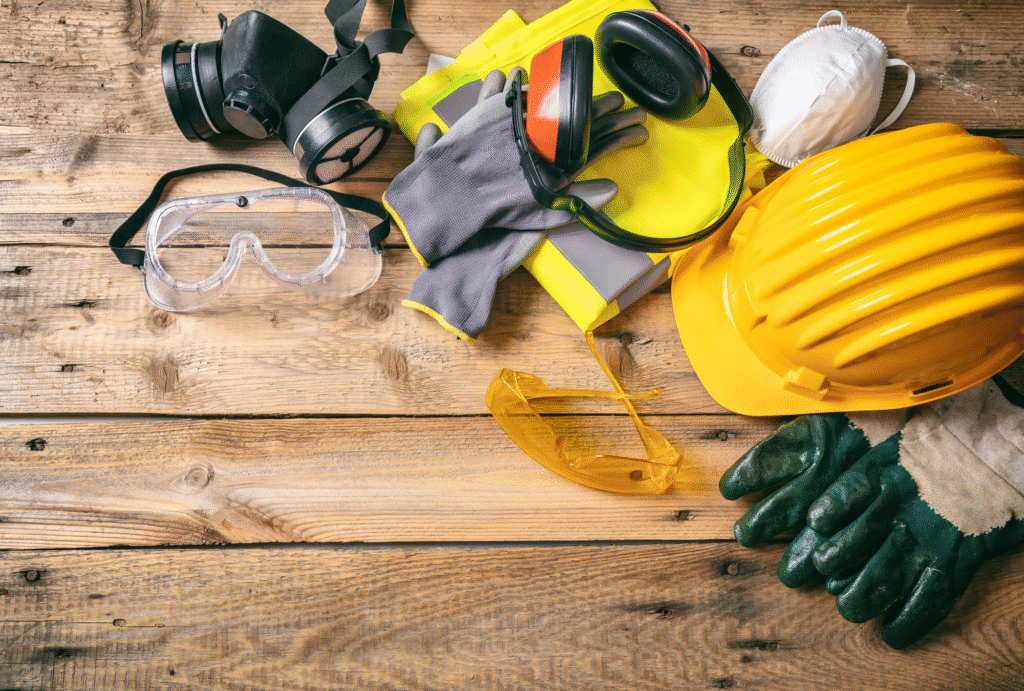
Fire safety upgrades should be integrated into your regular home maintenance routines and taken seriously during any renovation project. Modern materials, better technology, and smarter planning can all work together to minimize fire risk significantly. Preventative measures not only save lives but can also prevent substantial property loss.
Upgrading Smoke and Carbon Monoxide Detectors
The first and most basic fire safety upgrade during home renovations is the installation or replacement of smoke and carbon monoxide detectors. These are the frontline defense systems in any home. Many older homes have outdated detectors or detectors that have not been replaced in over a decade. Smoke detectors should be installed in every bedroom, hallway, and on every floor of the home, including basements and attics. Renovations offer the perfect chance to hardwire these devices with battery backup for reliability.
Smart detectors available today can be integrated into home automation systems, sending alerts directly to your phone if smoke or carbon monoxide is detected. They can also be interconnected so if one alarm sounds, all alarms will activate, giving every household member an early warning regardless of their location.
Electrical System Overhaul and Wiring Inspections
Outdated electrical systems are one of the leading causes of house fires. During renovations, electricians should inspect all wiring to ensure it complies with current safety standards. Aluminum wiring, common in older homes, can oxidize and spark under stress. Replacing it with copper wiring or using proper connectors during repairs is essential for fire safety.
You should also consider adding new circuits to accommodate high-energy devices instead of overloading existing outlets or extension cords. All new electrical outlets should be tamper-resistant and grounded. Arc fault circuit interrupters (AFCIs), which shut down the circuit if they detect dangerous arc faults, are now required in many jurisdictions and offer extra protection from electrical fires.
Installing Fire-Rated Materials
Renovations are the ideal time to swap out flammable materials for fire-rated ones. This is especially true in walls, ceilings, and attics. Gypsum boards, or fire-rated drywall, can slow down the spread of flames. Fire-resistant insulation and sealants can further block the movement of heat and smoke between walls and floors.
In kitchens and utility rooms, consider using tile, metal, or treated wood finishes that resist ignition. If you’re remodeling the garage, adding a fire-rated door between it and the house is a wise investment. Even the paint you choose can make a difference—some are made with fire-retardant chemicals that slow the spread of flames.
Upgrading Windows and Escape Routes
Windows are not only sources of light and ventilation; they are also potential escape routes in case of fire. Old windows may be hard to open or too small to use in emergencies. When replacing windows during renovations, ensure they meet egress standards—especially in bedrooms and basements.
For multi-story homes, it’s worth considering retractable fire escape ladders stored in upper-floor bedrooms. These can provide a critical secondary route if stairwells become blocked. It’s also important that window security measures like bars or grills are designed with quick-release mechanisms to ensure that people inside can exit easily during an emergency.
Improving Kitchen Safety Features
Kitchens are one of the most common places where house fires start, often due to unattended cooking or malfunctioning appliances. When remodeling a kitchen, safety can be built right into the design. Induction cooktops, for instance, are safer than gas or electric burners because they don’t emit open flames and cool down quickly after use.
Fire suppression systems can also be installed above stoves, especially in homes where high-volume cooking is done. These systems automatically release a fire-extinguishing agent when triggered by heat. Adding a fire extinguisher in an accessible location (not hidden behind clutter or inside a hard-to-reach cabinet) should be standard practice during any renovation project involving a kitchen.
HVAC Maintenance and Fire Prevention
Homeowners often overlook the fire risks associated with heating and cooling systems. Furnaces, fireplaces, and ductwork can all contribute to fire hazards if not properly maintained. During renovations, this is an ideal time to clean out duct systems, inspect flues and chimneys, and replace old furnace units if necessary.
You should ensure that your HVAC system includes filters that are replaced regularly and that any flammable materials are stored away from heat-producing equipment. Additionally, renovations offer the opportunity to install smart thermostats that monitor temperatures and can be programmed to shut off systems if they overheat.
Incorporating a Fire Sprinkler System
While often overlooked in residential settings, fire sprinkler systems can be life-saving. Though they may seem costly upfront, installing sprinklers during major home renovations can be a worthwhile investment. These systems are now more discreet and technologically advanced, often hidden in ceilings and walls until they’re needed.
Sprinklers activate in specific areas when a fire is detected, helping to suppress flames before they can spread. They are particularly valuable in larger homes or in structures that are far from the nearest fire station. Installing a sprinkler system while walls are already open during renovations minimizes labor costs and makes the project more feasible.
Safe Storage Solutions for Flammable Materials
As part of your home renovation, consider building designated storage areas for hazardous and flammable items such as paint, propane tanks, and cleaning chemicals. These items should not be stored near heat sources or in direct sunlight. Cabinets with built-in fire resistance are ideal for garages and sheds. Creating a specific spot with ventilation for these products reduces the risk of accidental combustion.
Planning and Practicing Fire Escape Plans
Even the best safety features won’t help much if residents don’t know how to respond in an emergency. As you remodel your home, take the opportunity to evaluate and rehearse your fire escape plan. Ensure every room has at least two ways to exit and that everyone in the household, including children and seniors, understands the safest route to safety.
You might even consider adding glow-in-the-dark signage or motion-activated lighting along hallways and staircases to improve visibility in smoke-filled situations. These small upgrades can make a big difference when seconds count.

Safety Built into Every Step
Fire safety isn’t about reacting after a fire has started; it’s about preparing ahead and designing your home to prevent or contain it from the beginning. Renovations and ongoing home maintenance create the perfect conditions for implementing meaningful upgrades that protect your property, save lives, and give you lasting peace of mind.
By upgrading smoke detectors, improving wiring, adding fire-rated materials, and installing sprinklers and fire extinguishers, you’re taking essential steps toward creating a home that doesn’t just look good—but is also safer and more resilient. Integrating fire safety into your renovation plans is a smart move that pays off in protection, confidence, and long-term peace of mind.