Maintaining and renovating a home is both an art and a science. Whether you’re a seasoned DIY enthusiast or a new homeowner trying to save costs, having the right tools at your disposal can make a world of difference. The right tools don’t just save time; they enhance safety, improve precision, and contribute to higher-quality outcomes. Investing in dependable tools is not just about convenience—it’s about empowering yourself to take charge of your space. This guide breaks down the best tools to invest in for home maintenance and renovations, offering a comprehensive look at what you truly need to build, repair, and upgrade your home with confidence.
Why Investing in Quality Tools Matters
Before diving into the must-have tools, it’s important to understand why quality should be a priority. Cheap tools may seem like a bargain initially, but they often wear out quickly, break under pressure, or simply fail to deliver the performance needed for tougher projects. High-quality tools, on the other hand, are typically built to last and often come with warranties that protect your investment. They provide better ergonomics, enhanced safety features, and more precise results—especially critical when tackling complex renovation projects.
Moreover, many tasks around the house require consistency. If your tool fails mid-project or doesn’t perform as expected, you’re not just risking the task at hand—you’re risking injury, wasted materials, and unnecessary frustration. With that in mind, building a reliable tool arsenal is one of the smartest investments any homeowner can make.
Essential Hand Tools for Everyday Maintenance
No home toolkit is complete without a set of reliable hand tools. These are the backbone of any maintenance or renovation task and will be your go-to for everything from hanging shelves to assembling furniture or fixing a leaky faucet.
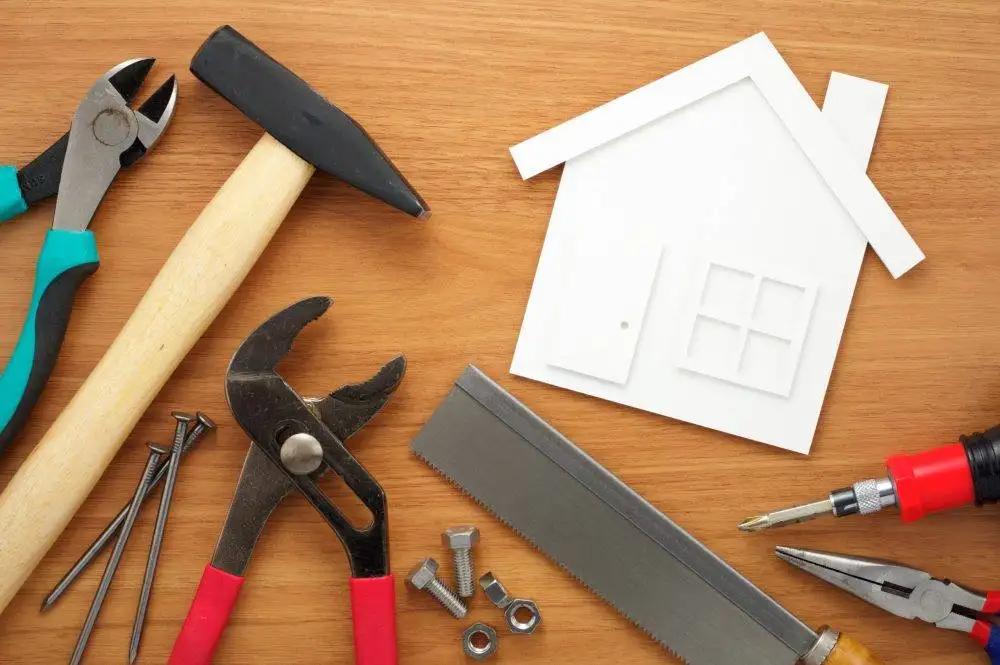
A sturdy claw hammer is non-negotiable. It’s essential for driving in and removing nails, light demolition work, and various tasks that require blunt force. Complement this with a high-quality set of screwdrivers, both flat-head and Phillips, to tackle an array of fixtures, electronics, and appliances.
Next, a durable tape measure is indispensable for planning layouts, measuring materials, or estimating dimensions. Opt for a 25-foot option with a locking mechanism for versatility. A utility knife is another must-have. Ideal for scoring materials, opening packages, or cutting drywall, it’s the kind of tool you’ll reach for more often than you think.
Include an adjustable wrench and a pair of pliers—channel-lock pliers for gripping and turning, and needle-nose pliers for precision work. Finally, a level (preferably a 24-inch one) ensures all your installations—from wall mounts to cabinets—are perfectly horizontal or vertical.
Power Tools That Make Renovations Easier
While hand tools cover the basics, power tools elevate your capabilities significantly. For home renovations, especially those that involve woodwork, electrical fixes, or drywall, certain power tools become game changers.
Start with a cordless drill. It’s arguably the most versatile power tool you’ll own. It drills holes, drives screws, and—with the right attachments—can even mix paint or stir drywall mud. Opt for a lithium-ion battery model for longer life and quicker charging.
A circular saw should be next on your list. Perfect for cutting lumber, plywood, and even metal with the correct blade, this tool is essential for framing, decking, or any serious construction. For finer and more intricate cuts, a jigsaw is a worthwhile companion. It’s perfect for curved cuts and detailed trim work.
If you’re planning on doing flooring, trim work, or cabinetry, an electric miter saw speeds up precise angled cuts. Meanwhile, an oscillating multi-tool stands out for its flexibility. It can sand, cut, grind, and scrape in tight corners and awkward angles—perfect for small renovation tasks where bigger tools don’t fit.
Don’t overlook a good power sander, either. Sanding by hand is labor-intensive and inconsistent. A palm or random orbital sander helps prepare surfaces for painting, staining, or sealing much faster and more evenly.
Tools for Painting and Finishing Touches
Renovation doesn’t end with construction; finishing work plays a huge role in transforming spaces. Painting, sealing, and applying finishes often require their own toolkit.
A high-quality set of paintbrushes in different sizes, along with rollers and roller trays, are foundational. Don’t skimp on brush quality—a cheap brush sheds bristles and leaves visible streaks. For ceilings and tall walls, an extension pole can make a world of difference.

Invest in a painter’s tape that sticks well but peels off cleanly. It ensures sharp lines and protects surfaces. A paint sprayer can be helpful for large areas, cabinetry, or exterior projects, offering even coats and professional-grade finishes with less effort.
Additionally, keep a caulking gun handy. Sealing gaps in trim, windows, and bathroom fixtures improves both appearance and energy efficiency. Finish with a basic shop vacuum to clean up sawdust, debris, or spills—especially after messy work like drywall sanding or demolition.
Safety Tools to Protect Yourself
No matter how skilled or confident you are, safety should never be optional. Having the right safety equipment is just as important as having the right tools.
Start with safety glasses to shield your eyes from flying particles, dust, or chemicals. A good pair of work gloves will protect your hands while providing grip and dexterity. When working with power tools or in loud environments, hearing protection—such as earmuffs or foam plugs—is essential.
A dust mask or respirator is crucial for painting, sanding, or dealing with mold and insulation. For electrical work, invest in insulated tools and always use a voltage tester to check wires before touching them.
It’s also wise to keep a fire extinguisher, a first aid kit, and a sturdy ladder in your garage or workshop area. These essentials not only ensure your safety but also allow you to work with confidence.
Storage and Organization Tools
Having great tools is only half the battle. If you can’t find them when you need them, they’re not helping. Tool storage and organization systems are often overlooked but deeply valuable.
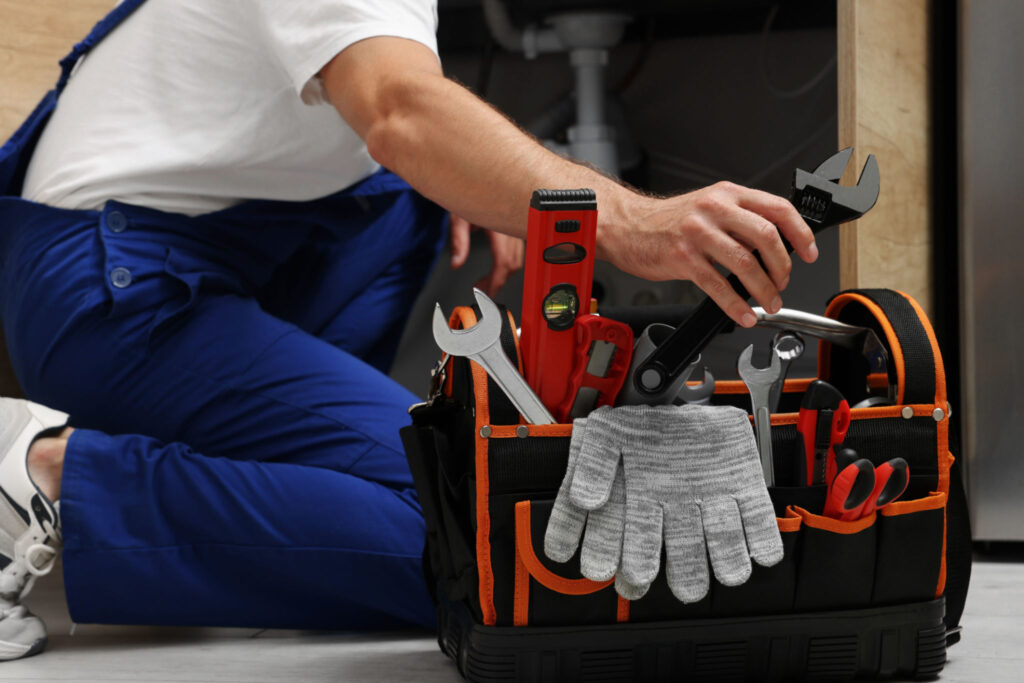
A quality toolbox or tool chest organizes your gear and keeps everything within reach. For bigger workshops, a rolling tool cabinet adds mobility and storage capacity. Pegboards are excellent for wall-mounted organization, letting you quickly see and access your tools.
Plastic storage bins and drawer organizers help sort fasteners, nails, screws, and miscellaneous parts that always seem to disappear when you need them most. Label everything—it’ll save you countless hours of searching in the future.
Smart Home Tools for Modern Maintenance
Today’s homeowners can also benefit from smart tools that go beyond the traditional hammer and nail. Devices like digital stud finders, laser distance measurers, and smart levels can improve accuracy and speed.
A thermal leak detector is another useful tool that can identify heat loss areas around windows and doors—especially valuable if you’re upgrading insulation or seeking better energy efficiency.
Some homeowners are even investing in smart sensors and home monitoring systems to alert them to leaks, smoke, or carbon monoxide. These tools don’t directly support renovation, but they offer insights that can lead to necessary home improvements.
Choosing the Right Tools for Your Skill Level
While the temptation may be strong to buy every tool under the sun, it’s important to assess your actual needs and skill level. Some tools are best left to professionals, especially if you’re unlikely to use them more than once or if they require specialized training.
Instead, start with foundational tools that support common tasks. Build your collection based on the projects you take on most frequently. You can always rent specialized equipment for bigger one-time renovations—like tile saws, floor sanders, or jackhammers—rather than investing in rarely used gear.
Building a Tool Kit That Grows With You
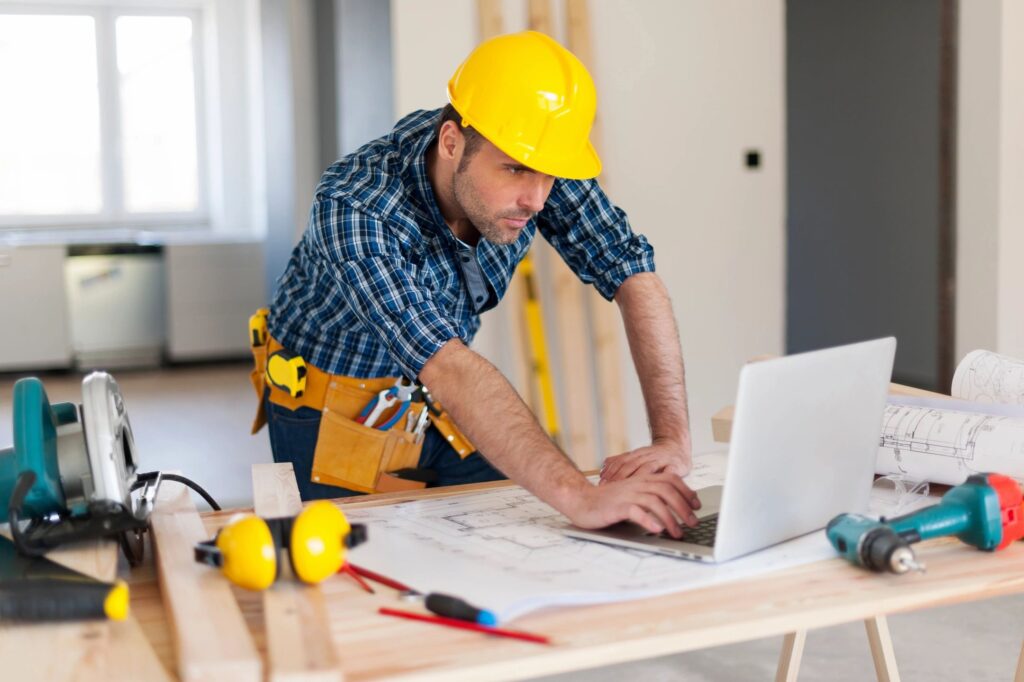
Home maintenance and renovations don’t have to be overwhelming if you’re equipped with the right tools. By investing in a mix of essential hand tools, powerful electric options, finishing gear, safety equipment, and smart solutions, you set yourself up for success. Over time, your toolkit will grow to reflect your personal skills and the unique needs of your home.
Tools are more than just metal and motors—they’re extensions of your capability as a homeowner. They give you the power to repair, to build, to enhance, and to create. And as you become more comfortable with renovations, those tools turn from necessities into trusted allies. Investing wisely now ensures you’re ready not just for the next project, but for a lifetime of confident homeownership.