Aging gracefully often includes remaining in the comfort of one’s own home. However, as the years go by, the homes that once felt easy to navigate may begin to feel less accommodating. From slippery floors to dim lighting and hard-to-reach cabinets, small inconveniences can grow into daily hazards. That’s why proper home maintenance and thoughtful renovations become crucial for seniors aiming to enjoy independent living with comfort and safety. A well-maintained home not only preserves property value but also supports quality of life. This guide explores tips tailored specifically for seniors, addressing safety, convenience, and long-term practicality.
Start with a Home Safety Assessment
Before diving into any renovation or maintenance work, seniors—or their caregivers—should begin with a thorough safety assessment. Walking through each room with an eye for potential hazards can reveal opportunities for improvement. Look for tripping hazards like loose rugs, cords, or uneven floors. Consider how lighting affects visibility in hallways, staircases, and bathrooms. Identify any sharp corners, unstable furniture, or areas where mobility aids may not fit.
Hiring a certified aging-in-place specialist (CAPS) or an occupational therapist for a professional home assessment can provide insights into which features may need modification. These professionals are trained to suggest age-friendly solutions that align with a senior’s needs and daily routines.
Prioritize Low-Maintenance Materials and Fixtures
Seniors benefit greatly from features that reduce the need for constant upkeep. Choosing materials and fixtures that require little attention can cut down on labor and prevent accidents. Replace high-maintenance wood floors with scratch-resistant vinyl or laminate that offers a non-slip surface. Opt for quartz or solid surface countertops instead of porous stone like marble, which requires regular sealing. In bathrooms and kitchens, install fixtures with anti-spot finishes and touchless technology to make cleaning easier and more hygienic.
Exterior choices matter as well. Fiber cement siding, composite decking, and metal roofing all offer durability with minimal upkeep. These choices not only lessen physical strain but also prevent costly repairs in the future.
Upgrade Lighting for Visibility and Mood
As eyesight changes with age, proper lighting becomes essential. A dimly lit hallway or staircase can be a recipe for disaster. Replacing bulbs with higher lumen options, adding motion-sensor lights in common areas, and installing under-cabinet lighting in kitchens can make a significant difference. Wherever possible, utilize natural lighting. Consider widening window spaces or swapping heavy curtains for lighter, more translucent window treatments.
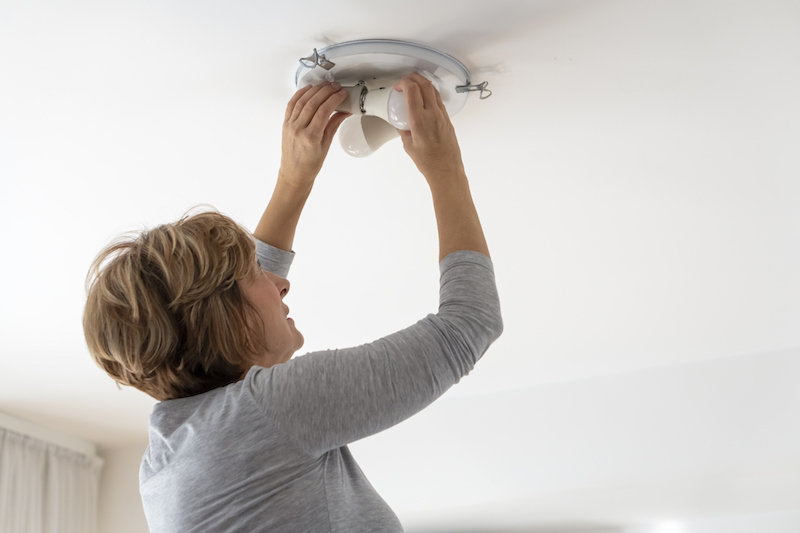
Lighting should not only enhance visibility but also create a warm, welcoming atmosphere. Seniors often spend more time at home, and the ambiance matters. Using LED lights with adjustable warmth settings can improve both safety and mood.
Bathroom Safety is a Top Priority
Bathrooms are one of the most dangerous areas in the home for older adults, with the majority of household falls occurring here. Renovating this space for safety and comfort should be a top priority. A walk-in shower with no curb is safer than a traditional bathtub. Add a built-in bench, hand-held showerhead, and grab bars strategically placed around the toilet and shower area.
Non-slip tiles are a must, and radiant floor heating can offer added comfort during colder seasons. Consider installing a comfort-height toilet, which is taller than standard models and easier for seniors to use without straining knees or hips. In some cases, a complete bathroom remodel may be necessary, but even small updates—like securing rugs and adding rails—can make a big impact.
Simplify Storage and Improve Accessibility
As mobility changes, bending, stretching, or reaching for items can become difficult. Renovations should include redesigning storage spaces to keep everyday items within easy reach. Pull-out drawers in the kitchen, lower shelving in closets, and wall-mounted storage solutions can eliminate the need for stepstools and reduce the risk of falls.
Replacing traditional doorknobs with lever handles is another simple improvement that makes opening doors easier for those with arthritis or reduced grip strength. Installing touch-activated faucets or switches that respond to a wave of the hand can add convenience throughout the home.
Focus on Entryways and Mobility Pathways
Entryways and hallways must be evaluated for ease of use, especially for seniors who use walkers, canes, or wheelchairs. Thresholds should be leveled or fitted with ramps to remove any barriers to mobility. Front steps may need railings on both sides, or be replaced with a permanent ramp. Widening doorways to a minimum of 36 inches can also facilitate easier movement between rooms.
In multi-level homes, consider adding a stairlift or home elevator, especially if frequent climbing is tiring or painful. Even a simple handrail upgrade can make stairs significantly safer. If the budget allows, single-level living arrangements often provide the most long-term comfort and should be considered during major renovations.
Stay on Top of Regular Maintenance Tasks
Proactive home maintenance plays a vital role in preventing damage and dangerous situations. Seniors—or their caregivers—should keep a maintenance calendar to track essential tasks throughout the year. These include checking smoke and carbon monoxide detectors, cleaning HVAC filters, inspecting gutters and downspouts, and testing water heaters. Seasonal chores like winterizing pipes or checking for pest infestations should also be accounted for.
If performing these tasks becomes physically challenging, hiring a trusted handyman or subscribing to a home maintenance service may be worth the investment. Delegating certain responsibilities helps reduce stress and ensures the home remains in good shape.
Choose Energy-Efficient and Smart Home Solutions
Smart technology isn’t just for tech enthusiasts. Today’s smart home systems can be extremely beneficial for seniors. Voice-activated assistants can control lights, thermostats, and even call for help in emergencies. Programmable thermostats help regulate indoor temperature efficiently, while smart security systems with cameras offer peace of mind to seniors and their families.
Energy-efficient upgrades like double-paned windows, added insulation, or Energy Star-rated appliances can reduce utility bills and create a more comfortable environment. Many of these changes are eligible for tax credits or local rebate programs, making them more affordable than expected.
Plan Renovations with Future Needs in Mind
Even if mobility and independence are strong today, renovations should anticipate future changes. Planning with aging in place in mind can help seniors remain in their homes longer. Think long-term by designing wider doorways, installing non-slip flooring, or ensuring that key areas like the master bedroom, laundry, and bathroom are all on the ground floor.
In some cases, it may be wise to consult with an aging-in-place architect or designer who understands how to future-proof a home. What seems like an over-preparation today may very well become a vital necessity later on.
Seek Financial Assistance and Grants
Home renovations and maintenance projects can quickly become expensive, which is why seniors should explore financial support options. Local governments, nonprofit organizations, and federal programs often offer grants or low-interest loans for senior-related home improvements. Programs such as HUD’s Home Improvement Loans or the USDA’s Rural Repair and Rehabilitation Program may be worth investigating.
Veterans may also qualify for VA grants to adapt homes for disabilities. It’s helpful to work with a local aging services agency that can connect seniors with available resources and assist with applications.
Stay Connected to Community Resources
Seniors should not feel alone when tackling home maintenance or renovation projects. Many communities offer support services such as transportation to hardware stores, volunteer-based home repair programs, and senior centers that host educational sessions on home safety. Building a trusted network of family, friends, or neighbors can help make routine upkeep more manageable.
Online platforms also connect homeowners with professionals who are licensed and insured, providing an extra layer of confidence when hiring help. Staying informed and proactive can make a big difference in maintaining a safe and livable home environment.
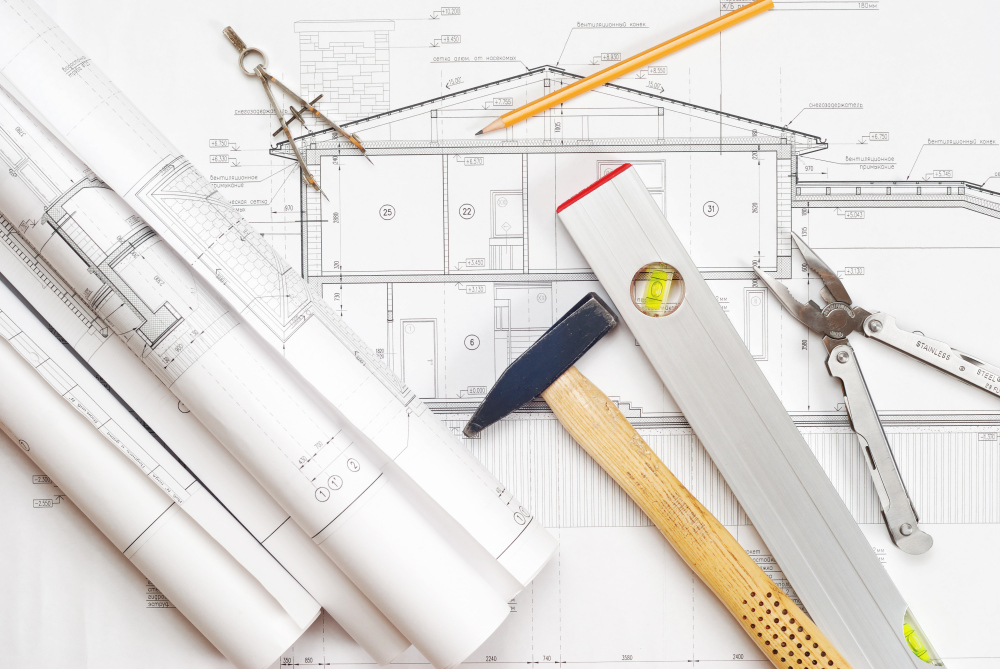
A Comfortable Home Begins with Smart Planning
Aging at home is both a privilege and a responsibility. Seniors who take the time to evaluate their surroundings and make the right renovations and maintenance choices can continue living independently, safely, and comfortably. Whether it’s installing grab bars in the bathroom or converting a multi-story layout into a single-level living space, each improvement is a step toward peace of mind.
Good home maintenance is more than just a chore—it’s a form of self-care. With thoughtful planning, wise investments, and the right support system, seniors can turn their homes into lasting havens that adapt gracefully with time.