Garages and sheds often serve as the unsung heroes of our homes—spaces we rely on for storage, projects, and sometimes even relaxation. Yet, they’re also the areas that tend to get overlooked during routine maintenance or renovation efforts. Whether you use your garage as a workshop or your shed for storing seasonal tools, proper upkeep is crucial. Renovating these spaces not only boosts functionality and safety but can also increase the overall value and appeal of your home. Here are comprehensive maintenance and renovation tips to help you transform and preserve your garage and shed spaces.
Understanding the Purpose of Your Garage and Shed
Before diving into repairs or improvements, it’s essential to define how you use—or intend to use—these spaces. Garages are no longer just for parking cars. Today, they serve multiple roles: gyms, workshops, man caves, home offices, or additional storage. Similarly, sheds can be more than just clutter collectors; they can become gardening hubs, art studios, or even guest rooms with the right renovation strategy.
Establishing a clear purpose will guide your renovation decisions. For example, a shed meant for tool storage will need secure shelving and good lighting, while one used as a creative studio might require insulation, windows, and better flooring.
Inspecting the Structural Integrity
The first step in any maintenance routine is a thorough inspection. Look for signs of wear, especially in older garages or wooden sheds. Check for roof leaks, sagging beams, termite damage, or mold buildup. These issues can worsen if ignored and may require professional repair.
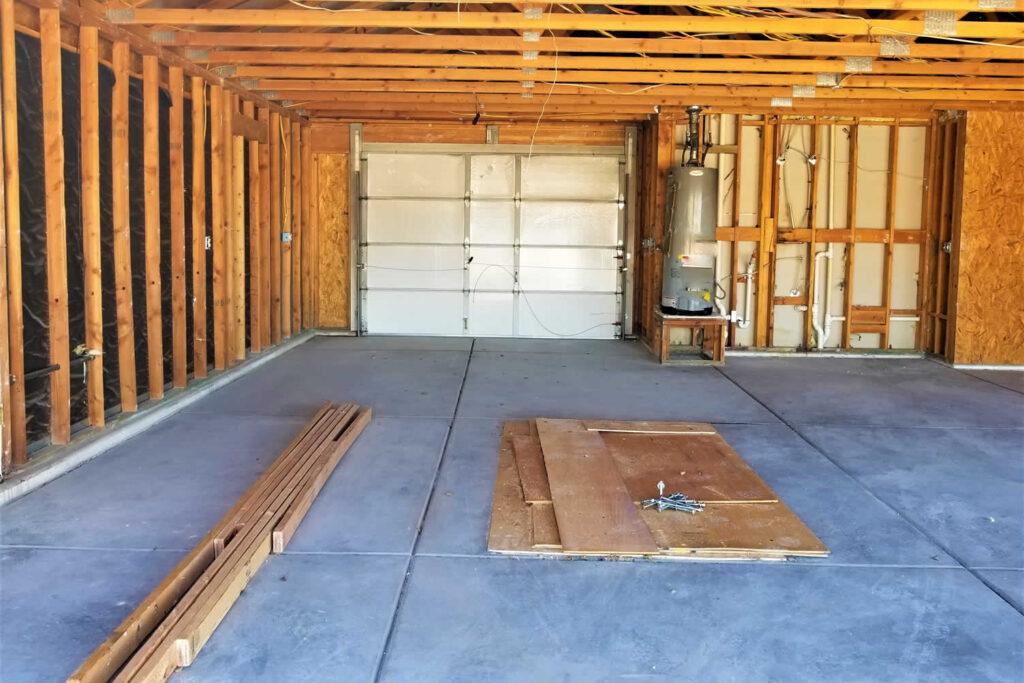
Cracks in concrete floors, loose shingles, rotting wood panels, or rusted hinges are more than just cosmetic problems—they often indicate deeper structural issues. Address these problems early to avoid more extensive and costly repairs down the line.
Roofing and Weatherproofing Concerns
The roof is your first line of defense against the elements. For both garages and sheds, a strong, leak-free roof is non-negotiable. Over time, shingles can curl or fall off, and metal panels may rust or shift. Make it a habit to inspect the roof twice a year—once before winter and once after.
Proper weatherproofing also includes sealing gaps around doors and windows. This prevents pests from entering and helps maintain a more consistent temperature inside. Weatherstripping, caulking, and even insulating walls and ceilings can turn these outdoor structures into more comfortable, energy-efficient spaces.
Flooring Maintenance and Upgrades
Garage and shed floors tend to take a beating. Whether it’s oil spills, dropped tools, muddy boots, or garden debris, these surfaces need to be both durable and easy to clean. Concrete floors are standard but can crack or stain over time.
Epoxy coatings are a popular upgrade for garage floors. They offer a sleek, glossy finish that resists spills, scuffs, and scratches. For sheds, you may want to consider vinyl or rubber flooring if you’re converting the space into something more livable.
Also, pay attention to drainage. Poor drainage can cause water to pool and deteriorate the floor’s integrity. Installing a simple slope or a trench drain can solve this issue efficiently.
Organizing and Maximizing Storage
Clutter is a common challenge in both garages and sheds. One of the most effective renovation strategies involves installing smart storage solutions. Wall-mounted racks, overhead shelving, pegboards, and modular storage cabinets can free up floor space and keep everything in easy reach.
Customizing your storage based on your activities is essential. For example, a gardening shed will benefit from vertical tool racks and potting benches, while a workshop-style garage might need a sturdy workbench, tool drawers, and ample electrical outlets.
Labeling bins and creating dedicated zones for different items (sports gear, holiday decorations, automotive tools, etc.) can streamline organization and make seasonal transitions smoother.
Electrical and Lighting Upgrades
Good lighting transforms functionality. Many garages and sheds still rely on a single bulb hanging from the ceiling, which is far from adequate if you’re working on projects or even just searching for stored items.
Install bright, energy-efficient LED overhead lights and consider task lighting for work areas. For sheds that double as studios or reading nooks, natural light is key—adding windows or skylights can enhance the ambiance.
If you’re adding outlets or upgrading your garage for power tools or appliances, hire a licensed electrician to ensure the wiring meets safety standards and local codes. Overloading circuits is a common hazard in converted garage spaces.
Ventilation and Temperature Control
Ventilation is often overlooked, yet it’s vital for maintaining a healthy and usable space. A poorly ventilated garage or shed can trap heat, moisture, and fumes, leading to mold, rust, and general discomfort.
Installing wall vents, ridge vents, or powered exhaust fans can help maintain airflow. If you use your garage or shed year-round, insulation and portable HVAC solutions may be worth the investment. Mini-split systems are increasingly popular for garage conversions because they offer both heating and cooling without requiring ductwork.
Doors and Security Features
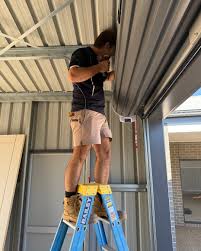
Garage and shed doors endure a lot of wear and tear. Automatic garage door openers should be tested regularly, and their springs, chains, or belts inspected for wear. For manual shed doors, make sure hinges, latches, and locks are rust-free and aligned properly.
Security is also a key aspect of maintenance. Upgrade locks and consider installing motion-sensor lights or even a small security camera, especially if you store valuable tools or equipment. For detached structures like sheds, solar-powered lights or alarms can be effective and easy to install.
Aesthetic Improvements That Add Value
While functionality is crucial, don’t underestimate the power of aesthetics. Painting the exterior, replacing worn siding, or adding trim can boost curb appeal and tie your garage or shed to the overall look of your property. For interior updates, consider fresh paint, decorative flooring options, or wall art—especially if the space doubles as a studio or gym.
Landscaping around the structure also matters. Clearing overgrown bushes, adding a small pathway, or planting a flower bed near your shed can make it feel like an intentional extension of your home, rather than an afterthought.
Repurposing and Converting Your Space
If your garage or shed is barely being used, it might be time to repurpose it entirely. Converting a garage into a home office, guest room, or gym is a growing trend, especially with the rise of remote work. Sheds, too, can become she-sheds, yoga studios, or reading nooks.
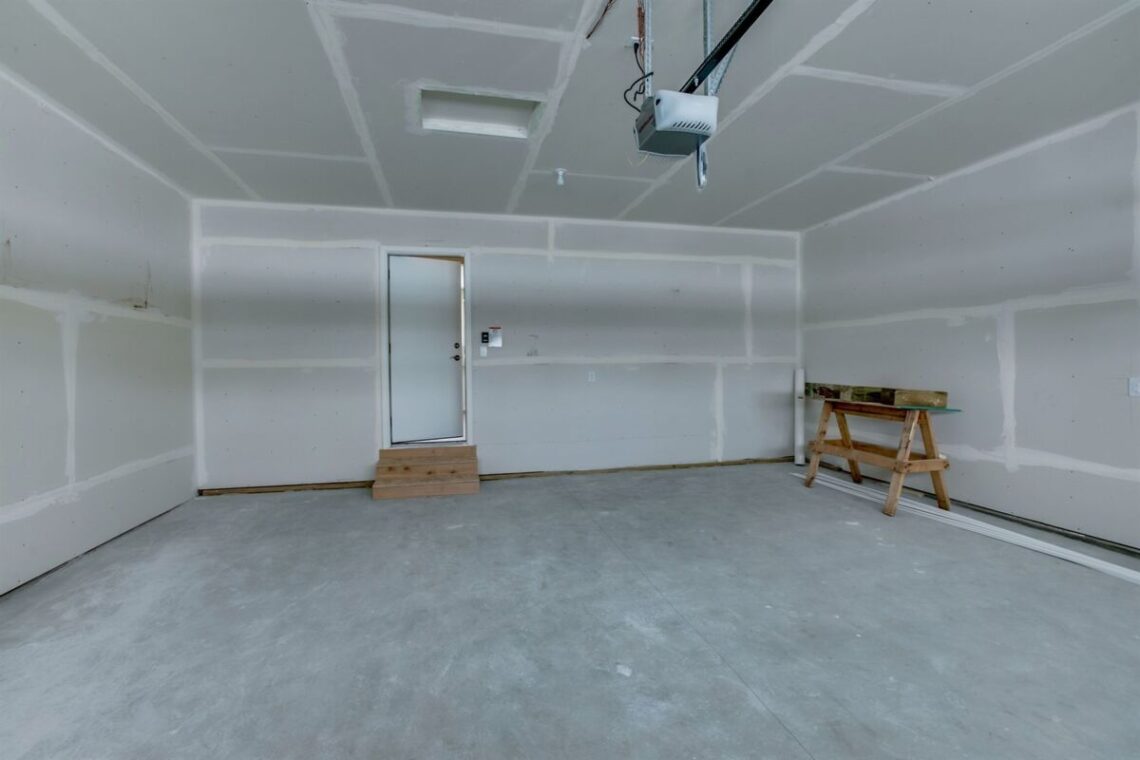
These conversions may require more substantial renovations such as installing drywall, insulation, flooring, and climate control. But the payoff can be huge—creating a functional, enjoyable space that adds square footage and usefulness to your home.
Before starting any major conversion, check your local zoning laws and permit requirements to ensure compliance.
Creating a Maintenance Schedule
Routine maintenance is the backbone of any successful renovation. Schedule seasonal checks for the roof, doors, vents, and foundation. Keep a checklist for tasks like cleaning gutters, re-sealing cracks, lubricating moving parts, and checking for pests.
Don’t wait until things break—preventive care extends the life of your investment and reduces emergency repair costs.
Don’t Neglect the Small Structures
Garages and sheds may be outbuildings, but they’re still an essential part of your home’s ecosystem. Whether you’re storing heirlooms, gardening tools, or building the next DIY masterpiece, these spaces deserve attention. With proper maintenance and thoughtful renovation, you can turn them into organized, efficient, and even inspiring places that add real value and functionality to your property.
Start with small updates like reorganizing storage or replacing light fixtures, and gradually work your way up to larger improvements. The transformation may surprise you—and you’ll wonder why you didn’t do it sooner.