
When planning a home renovation, excitement can quickly turn to confusion when the topic of permits arises. Many homeowners dive headfirst into remodeling projects, only to discover mid-way that they’ve violated local regulations by not securing the proper permits. Unfortunately, the consequences can be serious—ranging from steep fines to having to undo completed work. Understanding how permits work, why they matter, and when you need them is crucial for a smooth and successful renovation journey.
Understanding Building Permits
A building permit is an official approval issued by a local government agency that allows you or your contractor to proceed with a construction or remodeling project. These permits are designed to ensure that the work meets safety standards, zoning requirements, and building codes. They help protect not only the homeowner but also future occupants and the community at large.
Permits may be required for various types of work including structural changes, plumbing upgrades, electrical modifications, and more. Not all projects need permits, but it’s critical to know the difference. Performing work without proper authorization can result in legal issues, safety hazards, and financial setbacks.
Why Permits Matter in Renovation Projects
Permits serve as a formal process to verify that your renovation plans are in compliance with building codes, fire safety standards, and zoning laws. This oversight is not about bureaucracy—it’s about protecting lives and property.

For example, improperly installed electrical systems can cause fires, and faulty plumbing can result in severe water damage or contamination. Structural modifications that aren’t inspected may weaken the integrity of your home. Permits ensure that qualified inspectors check the work during and after completion, reducing these risks significantly.
Another reason permits matter is for insurance and resale purposes. If you experience a house fire, flood, or accident related to unpermitted work, your insurance provider might deny your claim. When it comes time to sell your house, potential buyers—and their lenders—may require proof that renovations were performed legally and safely. Lack of proper permits can reduce your property’s value or derail a sale altogether.
Projects That Typically Require Permits
The type of permit you’ll need depends on the scope and location of your renovation. Each municipality sets its own rules, but most require permits for major work such as:
- Structural changes, like removing or adding walls
- Room additions or garage conversions
- Roof replacement or significant roof repair
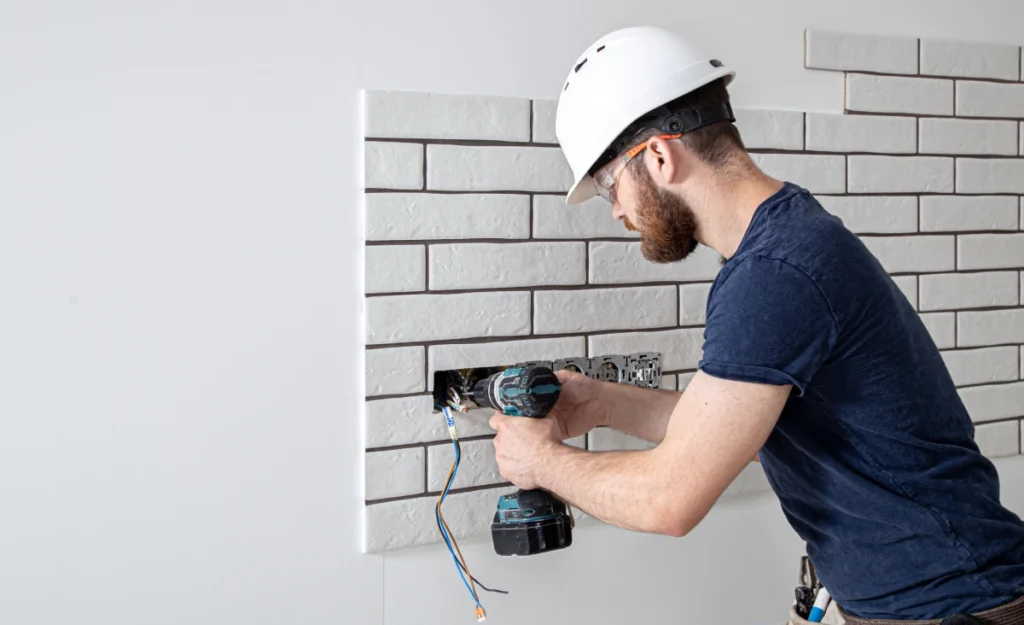
- Installing new electrical circuits or rewiring
- Adding or relocating plumbing systems
- HVAC installation or major repairs
- Deck construction over a certain height or area
- Basement finishing or attic conversions
- Fence installation above specific height limits
Even projects that seem minor—like replacing a water heater or modifying windows—might need permits in some areas. It’s essential to check your city or county’s specific regulations before getting started.
When You Don’t Need a Permit
Not every home improvement requires paperwork. Cosmetic changes usually don’t need permits. These can include painting, flooring updates, replacing cabinets (without altering plumbing or wiring), installing countertops, or other non-structural work. Landscaping typically doesn’t require a permit unless it affects drainage or involves building retaining walls or grading large areas.
However, even if a permit isn’t needed, hiring qualified professionals and adhering to best practices is still wise. Just because you don’t need a permit doesn’t mean the work is risk-free.
The Permit Application Process
Applying for a permit can seem daunting, but it follows a relatively straightforward process. First, you or your contractor must submit plans for the proposed work. These plans may need to include architectural drawings, structural calculations, or other technical documentation depending on the complexity of the project.
After submission, the local building department reviews the application. They may approve it immediately or request changes. Once approved, you’re issued a permit that must be posted on-site during the renovation.
During the project, you may be required to schedule inspections at various stages—before drywall installation, after plumbing is connected, and so on. These inspections verify that the work is being done according to code. Upon final approval, you’ll receive a certificate of completion or a final inspection approval.
Timelines and fees vary by region and project size. Some permits are processed in days; others may take weeks or even months, particularly for major renovations or historic homes.

Who Is Responsible for Getting the Permit?
If you’re hiring a licensed contractor, they are typically responsible for obtaining all necessary permits. It’s still a good idea to confirm this in your contract and ask to see the permit documents yourself. Never assume it’s being handled.
If you’re doing the renovation as a DIY project, the responsibility falls on you. That means you must educate yourself about local requirements, fill out the forms, submit plans, and schedule inspections as needed.
Failing to secure the right permits, whether by accident or on purpose, is considered a violation. Building inspectors can issue stop-work orders, and penalties can include fines, doubled permit fees, or even mandatory demolition of non-permitted work.
The Cost of Permits
Permit costs vary significantly depending on the project’s scope and location. A simple bathroom remodel may cost around $100–$300 in permit fees, while major home additions or structural renovations can run into the thousands.
While it might be tempting to avoid permits to save money or time, the risks far outweigh the savings. Unpermitted work can cost you much more in the long run if problems arise during inspections, insurance claims, or resale.
Renovations in HOAs and Historic Districts
If your home is in a community governed by a homeowners association (HOA), additional rules may apply. HOAs often have their own guidelines about exterior renovations, landscaping, fencing, and architectural changes. Always get written approval from your HOA before beginning any renovation, even if the city permit isn’t required.
Likewise, if your property is located in a historic district, you may face extra layers of regulation. Renovations in these areas typically require approval from historic preservation boards, and the rules may be stricter regarding materials, design, or color choices.
Handling Unpermitted Work
What if you’ve already done work without a permit—knowingly or not? All is not lost, but it will take extra effort to fix. You may be able to apply for a retroactive or “as-built” permit. The city will likely require inspections, and if issues are found, you’ll need to make necessary corrections.
In some cases, you may have to remove or redo parts of the renovation to comply with code. While it can be frustrating, bringing the work into compliance is the best way to avoid future headaches, especially if you plan to sell the property.
Tips to Stay Compliant and Informed
Start by calling your local building department or visiting their website. Most offer checklists or guidance for common projects. Be honest about your renovation plans and ask questions if you’re unsure about permit requirements.
Work with experienced, licensed contractors who are familiar with your area’s codes. They can help streamline the process and ensure inspections are passed without delays.
Keep copies of all permits, plans, and inspection approvals. These documents are important for your records and may be valuable in future transactions or insurance claims.
Understanding and securing the correct permits is one of the most important steps in any home renovation project. While it may seem like just another hurdle in a long process, permits are in place to ensure your home is safe, compliant, and built to last. Cutting corners with permits can lead to costly setbacks, legal trouble, or even danger to your family and property.
Taking the time to understand local regulations, following the correct procedures, and working with knowledgeable professionals will not only keep your project on the right side of the law—it will also give you peace of mind. A well-permitted renovation is a smart investment that pays off in security, functionality, and future resale value.