Landscaping often gets relegated to the background in discussions about home maintenance and renovations, overshadowed by kitchen upgrades, bathroom remodels, or structural improvements. But in truth, landscaping plays a far more significant role than merely adding aesthetic charm. A well-maintained landscape does more than boost curb appeal—it also safeguards the foundation, improves energy efficiency, increases property value, and can even reduce ongoing maintenance costs. When thoughtfully designed and regularly tended to, landscaping becomes an active and essential component of a home’s long-term upkeep and renovation strategy.
Landscaping as the First Line of Defense
The exterior of your home acts as its first line of defense against the elements, and landscaping is a critical part of that shield. Trees, shrubs, garden beds, and ground cover serve to stabilize soil, prevent erosion, and guide water away from your home’s foundation. Without proper grading and drainage solutions built into your landscape, rainwater can accumulate around the foundation, leading to issues such as water intrusion, mold, and even foundational cracking over time.
Moreover, strategically placed plants and mulching help absorb excess water, reducing the risk of flooding during heavy storms. In dry regions, the right choice of drought-tolerant plants can maintain the soil’s integrity and prevent dust and debris buildup that might affect HVAC systems and windows. Maintaining the health of your landscape, then, is not just about visual appeal—it’s a matter of protecting the structural health of your home.

Curb Appeal and Property Value
One of the most immediately noticeable benefits of landscaping is the enhancement of curb appeal. A home’s exterior sets the tone for what lies inside. Overgrown shrubs, patchy lawns, or dead plants suggest neglect and can lower a property’s perceived value. Conversely, a professionally landscaped yard can elevate even a modest home, creating a welcoming and cared-for atmosphere that appeals to potential buyers and neighbors alike.
Research consistently shows that homes with strong curb appeal sell faster and at higher prices. Landscaping offers one of the best returns on investment in home renovations. Renovations to the front yard, such as adding flower beds, replacing walkways, or planting mature trees, yield long-term dividends in both monetary value and daily enjoyment.
Enhancing Energy Efficiency
It may not be obvious at first glance, but landscaping can directly affect a home’s energy consumption. The strategic placement of trees and shrubs can help control indoor temperatures by acting as windbreaks or providing shade. In hot climates, trees planted on the south and west sides of a house can reduce air conditioning costs by shielding windows and walls from direct sunlight. In colder regions, dense evergreen plantings along the north side of a home serve as insulation against cold winds, thereby reducing heating needs.
These natural adjustments complement mechanical systems and reduce their workload, extending their lifespan while lowering utility bills. When integrated thoughtfully into renovation plans, energy-conscious landscaping becomes a powerful ally in sustainable home maintenance.
Erosion and Soil Management
Many homeowners don’t realize that poor soil management can lead to costly repairs over time. Slopes and uneven terrain are especially prone to erosion, which can result in soil washing away, exposing roots, and damaging surrounding structures like patios, retaining walls, or driveways.
Renovations that involve excavation, new construction, or hardscaping can disturb the balance of the landscape. It’s crucial during such projects to stabilize the soil quickly—either through ground cover, sod, or erosion control blankets. Plants with deep root systems, such as ornamental grasses or native ground covers, help anchor the soil and prevent runoff.
Retaining walls, terracing, and French drains are landscaping tools that contribute to effective water and soil management. These elements work behind the scenes, preserving the integrity of your landscape and protecting the home’s foundational structures.
Outdoor Living Spaces
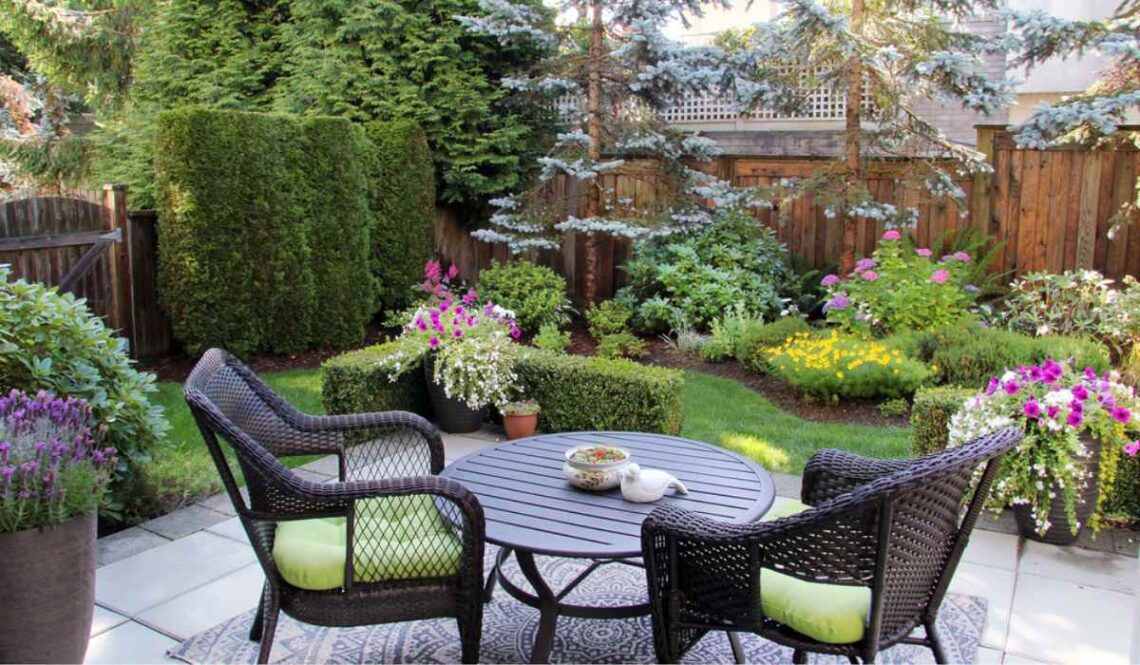
Modern renovations increasingly extend beyond the walls of the home, blending indoor and outdoor environments into one cohesive living experience. Outdoor living areas—such as patios, decks, kitchens, and pergolas—are not only attractive additions but also practical enhancements that expand the usable space of a home.
Well-executed landscaping integrates these spaces with their surroundings, creating transitions that feel natural and functional. A fire pit encircled by comfortable seating and well-lit paths, or a garden retreat surrounded by layered plantings, adds both beauty and utility. Investing in these spaces not only improves your lifestyle but also increases the overall value of your renovation efforts.
Landscaping design becomes essential when planning these features. The grade of the land, the types of vegetation, and the orientation of the sun all influence where and how outdoor spaces should be built. Without considering these factors, a patio may flood, a deck may bake under the sun, or a garden may struggle to grow. Landscaping ensures that the outdoor enhancements work harmoniously with nature, rather than against it.
Pest and Wildlife Control
A poorly maintained landscape can invite unwanted guests—pests like termites, ants, and rodents that can easily transition from your yard to your house. Long grass, untrimmed shrubs, and stagnant water offer breeding grounds for insects and shelter for vermin.
Thoughtful landscaping prevents this. Regular pruning, proper grading, and removal of debris keep the environment less hospitable to pests. Additionally, using native plants that support beneficial insects—such as ladybugs or bees—can help naturally manage harmful populations. Integrated pest management begins in the garden, making landscaping a proactive approach to maintaining a pest-free home.
Moreover, landscaping can play a positive role in inviting desirable wildlife. Bird-friendly gardens, pollinator-friendly flowers, and water features can create an ecosystem that benefits both the homeowner and the environment. When managed with care, this encourages biodiversity without compromising the integrity of your home.
Maintenance and Seasonal Considerations
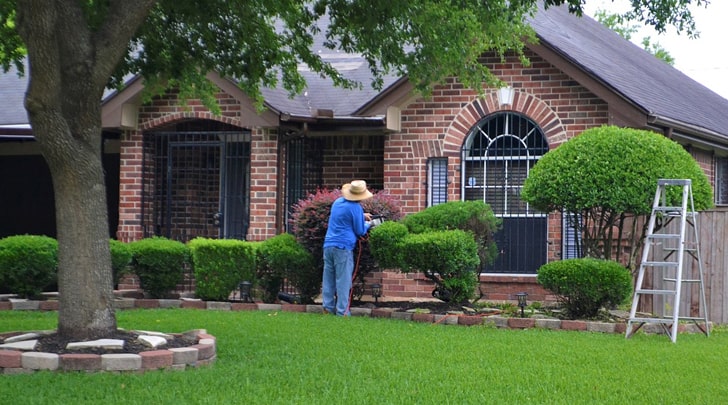
Like any aspect of home care, landscaping requires routine maintenance. Lawns need mowing, plants need pruning, and garden beds need refreshing. However, these tasks are not merely cosmetic—they support the longevity of your property and protect the investments you’ve made in your home.
Seasons play a vital role in landscape maintenance. Fall is the time to prepare plants for winter, clear leaves, and ensure drainage systems are unblocked. Winter involves protecting sensitive plants, checking for snow accumulation on trees, and safeguarding walkways. Spring ushers in the prime season for planting, mulching, and lawn treatment, while summer focuses on irrigation and pest control.
When integrated into a broader home maintenance schedule, landscaping tasks become second nature and reduce the chance of sudden surprises like root invasion, water pooling, or collapsing branches. Just as you would routinely inspect your HVAC or roof, regular landscape assessments should become part of your overall maintenance rhythm.
Sustainable and Eco-Friendly Landscaping Practices
As environmental concerns become more prominent in renovation and design, homeowners are turning to eco-conscious landscaping solutions. Native plantings, xeriscaping, rain gardens, and composting areas are growing in popularity for their ability to conserve water, reduce chemical usage, and support local wildlife.
Installing rain barrels to collect water, creating bioswales to filter runoff, or using permeable pavers that allow water to seep into the ground are practices that marry form with function. These methods not only reduce your environmental footprint but also often lower ongoing costs and improve the resilience of your landscape.
During renovations, these principles can guide decisions about what to remove, retain, or redesign in your yard. Sustainable landscaping ensures that your outdoor space is not just beautiful but also resilient and responsible.
Integrating Landscaping into the Bigger Picture
Home maintenance and renovations often focus on what’s inside the four walls—plumbing, cabinetry, floors, and paint. But neglecting the role of landscaping can be a costly mistake. Whether protecting the home’s foundation, reducing utility bills, expanding usable space, or boosting curb appeal, landscaping has a direct impact on a home’s performance and value.
Landscaping should be approached not as a finishing touch, but as an integral part of the maintenance and renovation process. With thoughtful planning and regular upkeep, the outdoor environment can be transformed into a living system that supports the health, function, and longevity of the entire home. It’s not just about flowers and lawns—it’s about creating a resilient, efficient, and enjoyable space from the ground up.