Water damage is one of the most destructive and costly issues homeowners can face. Left unchecked, even small leaks can lead to mold, structural deterioration, and thousands of dollars in repair costs. The good news? Most water damage can be prevented through regular and proactive home maintenance. Taking a few preventative steps on a consistent basis can help you protect your home’s structural integrity and ensure a safe, dry living environment.
Understanding the Risks of Water Damage
Water damage isn’t just about puddles on the floor. It can impact every part of your home—from your roof and walls to your foundation and electrical systems. It often starts subtly. A slow drip under the sink, a cracked shingle on the roof, or clogged gutters can be all it takes to initiate a costly disaster.
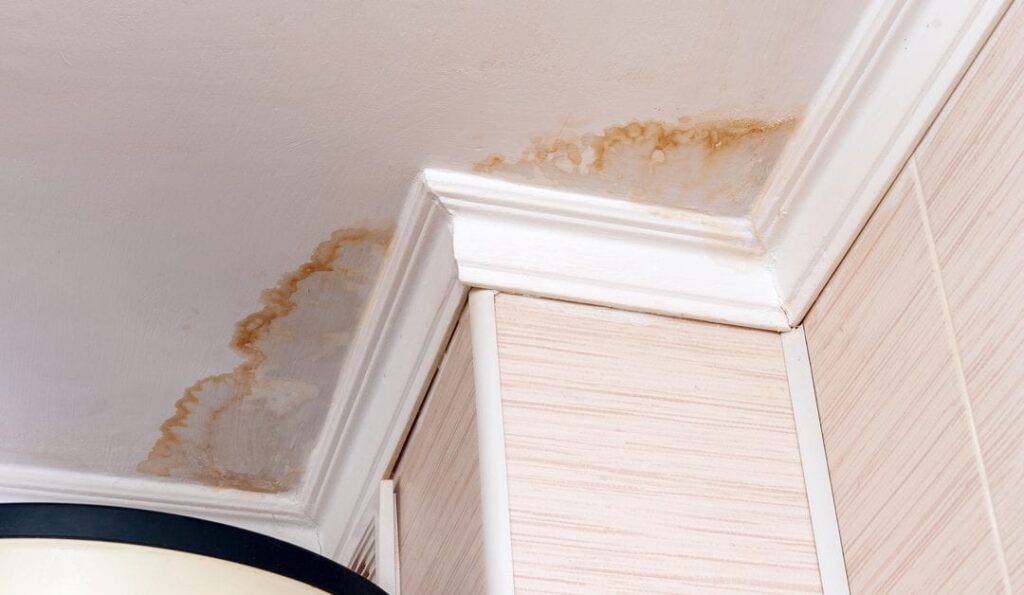
What makes water damage particularly tricky is how quietly it can spread. Moisture behind walls and ceilings often goes unnoticed until stains appear or mold sets in. Once that happens, repairs become far more complex—and expensive. This is why preventing water intrusion in the first place is so critical. A well-maintained home is the best defense against water damage.
Regular Roof Inspections Are Essential
The roof is your home’s first line of defense against rain, snow, and storms. A compromised roof will allow water to seep into your attic and down into ceilings and walls. That’s why a visual roof inspection at least twice a year—preferably in spring and fall—is essential.
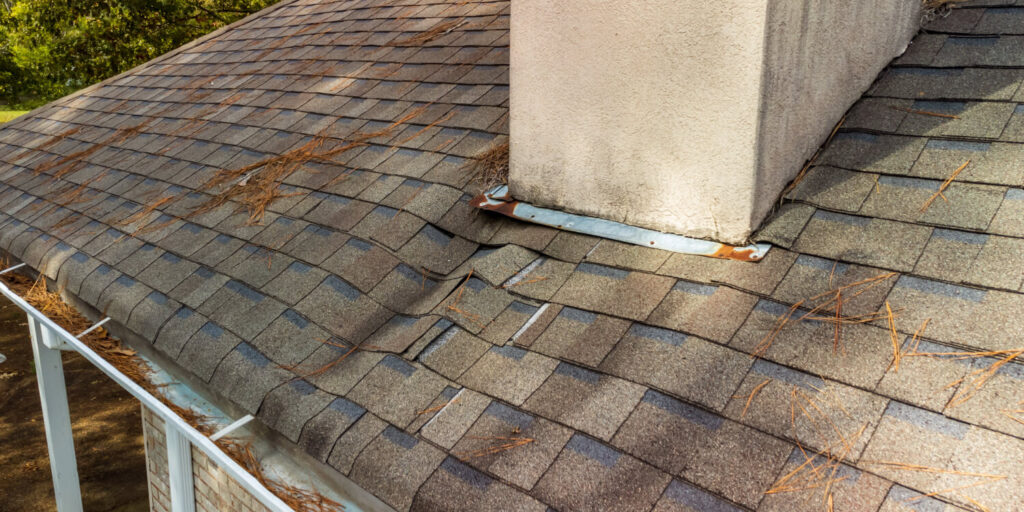
Look for signs of damaged, curled, or missing shingles. Check around chimneys, vents, and skylights for deteriorating seals or flashing. Make sure no tree branches are hanging directly over your roof, as they can damage shingles and introduce moisture through constant shade or falling debris.
If your roof is more than 15 years old, consider having a professional inspection even if everything looks fine. Some problems aren’t visible from the ground or to the untrained eye. Routine maintenance can prolong your roof’s life and prevent water infiltration before it begins.
Maintain Gutters and Downspouts
Clogged gutters and downspouts are a major cause of water damage. When they’re blocked with leaves and debris, water overflows and runs down the side of your house. This can erode soil near the foundation and even cause basement flooding.
Clean your gutters at least twice a year and after major storms. Make sure downspouts are directing water at least five feet away from your home’s foundation. Consider adding gutter guards to reduce debris buildup and make maintenance easier.
If you notice water pooling around the base of your home after a rain, it’s a sign your drainage system isn’t working properly. Regrading your yard or adding drainage extensions can be simple but effective fixes.
Check for Plumbing Leaks Regularly
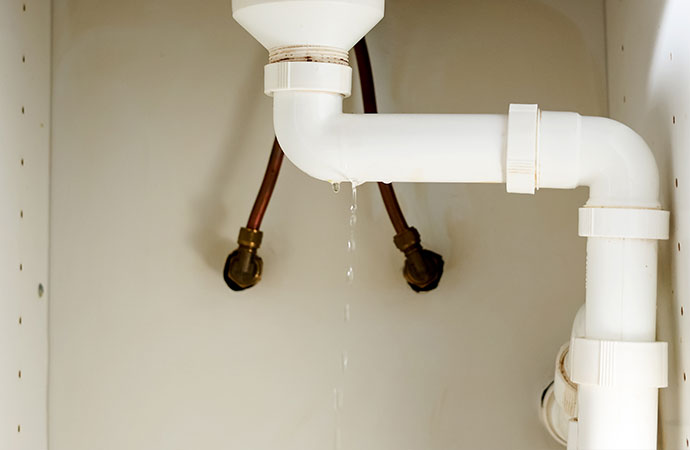
Leaky pipes, faucets, or appliances can slowly cause extensive damage before you’re even aware of a problem. Water from pipes inside your walls or under your floors can go undetected for weeks or months.
Look for signs like unexplained increases in your water bill, damp or musty smells, discoloration on walls or ceilings, or warped flooring. Even small drips should be addressed immediately. Over time, they can saturate drywall and wood, leading to rot and mold.
Install water leak detectors under sinks, near water heaters, and behind major appliances like dishwashers and washing machines. Many of these devices are inexpensive and will alert you to moisture presence before it becomes a serious problem.
Inspect Caulking and Seals
Water often enters through cracks or gaps around windows, doors, tubs, and sinks. Over time, caulk and weather seals deteriorate and lose their effectiveness. That means rainwater or splashes from inside the home can begin seeping into walls or floors.
Inspect caulking annually and reapply it as needed. Silicone-based caulk is generally more durable and flexible than latex, especially in humid or high-moisture environments like bathrooms and kitchens.
Pay attention to basement windows and doors as well. These lower points are more prone to leaks, especially during heavy rain. Make sure weatherstripping is intact and properly sealed.
Maintain Your Home’s Foundation
The foundation of your home is especially vulnerable to water damage. Once water finds its way into small cracks or porous concrete, it can cause expansion during freeze-thaw cycles or promote mold and mildew growth.
Walk around your house and check for any cracks in the foundation or signs of water pooling. Use hydraulic cement or masonry caulk to fill small cracks. For more significant issues, consult a professional foundation specialist.
Ensure the soil around your foundation slopes away from the house. This helps water drain properly instead of collecting near your home’s base. Avoid planting shrubs or trees too close to the foundation, as their roots can interfere with proper drainage and even penetrate small cracks.
Take Care of Your Sump Pump
If your home has a basement, chances are it also has a sump pump. This pump is designed to remove water from your basement during heavy rains or floods. But like any mechanical system, it can fail if not properly maintained.
Test your sump pump at least once every season by pouring water into the pit and making sure it activates and drains correctly. Keep the pit clean and ensure the discharge pipe directs water well away from your home.
Consider investing in a battery backup system. During storms, power outages are common—and without electricity, your sump pump won’t work unless you have a backup power source.
HVAC and Appliance Maintenance
Water damage can also stem from appliances and HVAC systems. Air conditioners, water heaters, washing machines, and dishwashers all have the potential to leak if not maintained.
Change HVAC filters regularly and check the condensate drain for blockages. A clogged drain can cause water to overflow into surrounding areas. Inspect washing machine hoses for cracks or bulges, and replace them every five years or sooner if signs of wear appear.
Flush your water heater once a year to remove sediment buildup that can cause the tank to crack or leak. If your appliance has a drip pan, make sure it’s properly installed and not cracked.
Prepare for Storms
Sometimes, despite your best efforts, extreme weather can overwhelm your home’s defenses. That’s why it’s also smart to be prepared for storm-related water threats.
Install window well covers to keep rain and snow from collecting near basement windows. Seal any gaps in exterior walls and install backflow prevention valves in plumbing to keep sewer water from backing into your home.
Store important items off the basement floor or use waterproof storage bins. If a storm is forecast, move furniture away from windows and cover it with plastic sheeting if necessary. Have an emergency plan and supplies ready, including a wet/dry vacuum, towels, and dehumidifiers to help mitigate damage quickly.
Don’t Overlook Attic and Crawl Spaces
These areas are often out of sight and, unfortunately, out of mind. Yet they are particularly susceptible to moisture buildup, condensation, and leaks from above or below.
In the attic, check for water stains on the insulation or roof sheathing, especially after a storm. Ensure vents are clear and that insulation isn’t blocking airflow, which can lead to condensation.
In crawl spaces, look for signs of damp soil, standing water, or sagging insulation. Installing a vapor barrier and ensuring proper ventilation can help prevent moisture issues in these tight spaces.
Know When to Call a Professional
While regular homeowner maintenance can go a long way, some tasks are best left to the pros. If you suspect major foundation problems, persistent roof leaks, or extensive mold, hiring an expert will ensure the job is done safely and effectively.
Professional home inspectors can also provide annual maintenance checks to catch small issues before they snowball into larger ones. Think of it as an annual check-up for your home—an investment that could save you thousands in the long run.
Preventing water damage requires vigilance, consistency, and a good understanding of how water moves through and around your home. From maintaining your roof and gutters to checking plumbing and foundation integrity, every proactive step helps protect your property and peace of mind.
Water may be essential to life—but when it finds its way into your walls, ceilings, or floors, it quickly becomes one of your home’s greatest threats. With proper home maintenance, you can stay one step ahead and ensure that your home remains dry, healthy, and structurally sound for years to come.